



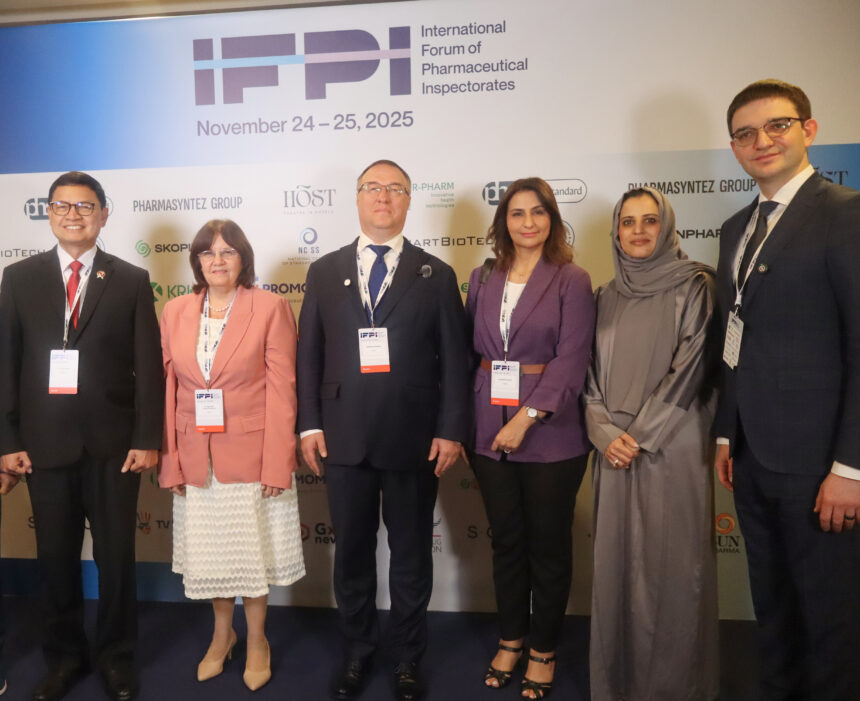
Abu Dhabi, UAE- At the 2nd International Forum of Pharmaceutical Inspectorates (IFPI), held on November 24–25 at the Marriott Hotel Downtown Abu Dhabi, global regulatory authorities and pharmaceutical industry leaders reaffirmed a shared commitment to ensuring safe, effective medicines worldwide. Co-chaired for the second year by the Russian Federation, the Forum drew representatives from more than 50 countries. With medicines often manufactured in one country, packaged in another, and prescribed in a third, the Forum stressed that shared standards and transparent dialogue remain essential to global patient safety.
The program opened with high-level plenary sessions attended by heads of representatives of the regulatory authorities and experts from Russia, the UAE, France, Serbia, India, Singapore, Indonesia, Myanmar, the US, Cuba, Chile, Jordan, Egypt, Turkey, Armenia, Belarus, Kyrgyzstan, Afghanistan, Pakistan, Ecuador, and others, and African nations participating in the African Medicines Regulatory Harmonization (AMRH) initiative. Subsequent sessions focused on GMP regulatory challenges, the harmonization of pharmaceutical production requirements, and approaches to mutual recognition of GMP inspection results. Delegates also examined inspection mechanisms for biological products and strategies to improve access to modern medicines across different health systems.
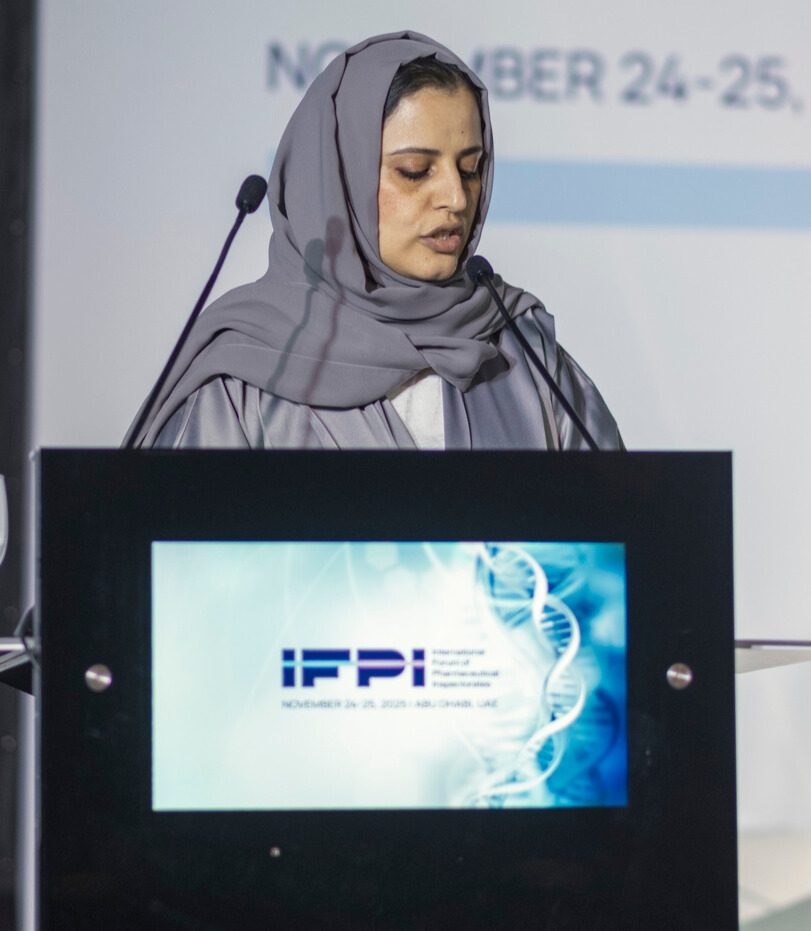
Dr. Shaikha Al Mazrouei, Director of the Reference National Laboratory, Drug Department, Emirates Drug Establishment
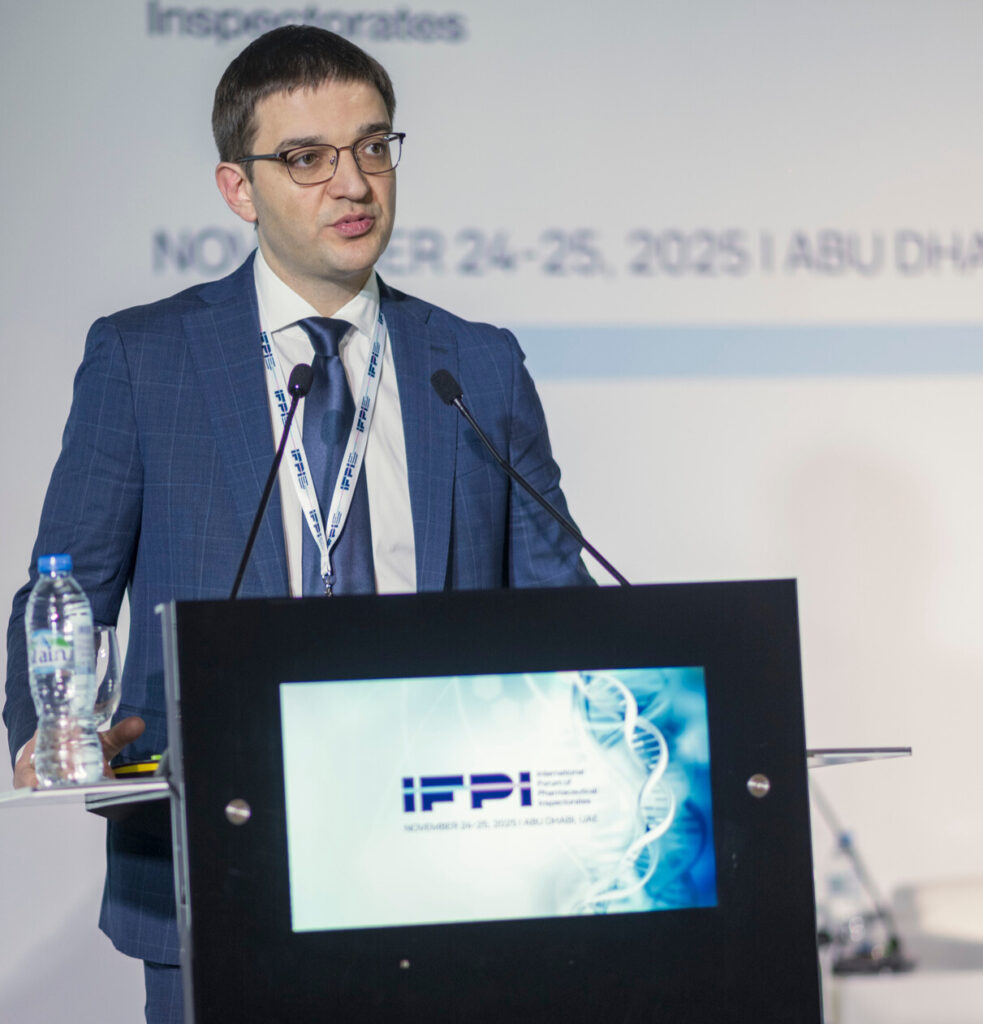
Shared mission: patient safety above all: “Cooperation between regulatory authorities increases the availability of high-quality, safe, and effective medicines while improving transparency,” said Vladislav Shestakov, Co-Chair of the Organizing Committee and Director of the State Institute of Drugs and Good Practices (SID & GP). “Quality is not merely about inspections and reports—it begins with the mindset of its creators. Like classical music, achieving a pure sound requires professional instruments and fine-tuning.” For the second consecutive year, Russia served as Co-Chair of the Forum’s Organizing Committee. Dr. Shaikha Al Mazrouei, Director of the Reference National Laboratory, Drug Department, Emirates Drug Establishment, contributed valuable insights during the discussions.
This year’s Forum brought together GMP authorities, business leaders, and technical experts to enhance transparency, support regulatory convergence, and strengthen global GMP oversight. The message—collaborate—resonated throughout keynotes and panel discussions, underscoring that interconnected health systems require unified regulatory approaches. As biotechnology advances, global supply chains expand, and AI reshapes healthcare, regulators must work together to safeguard the quality and safety of medicines. Participants included officials and regulators from about 50 countries—among them Jordan, Cuba, Indonesia, the UK, the US, China, India, Italy, Belgium, Denmark, Serbia, Mongolia, and Turkey—alongside pharmaceutical manufacturers and international experts.
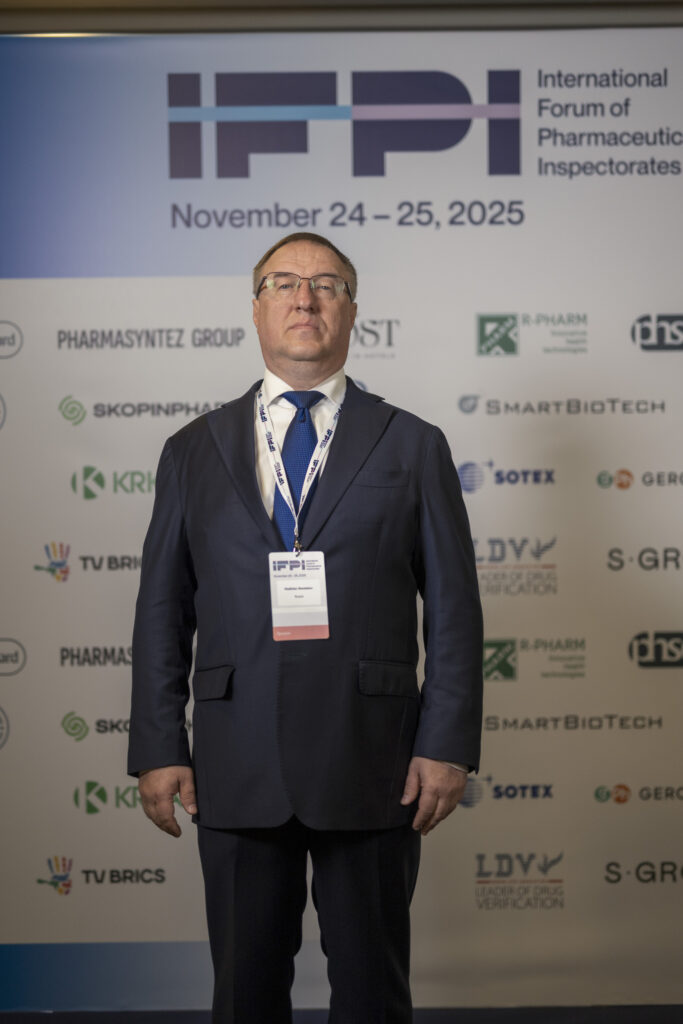
Dmitry Galkin, Director of the Department for the Development of the Pharmaceutical and Medical Industry at the Ministry of Industry and Trade of the Russian Federation and Head of the Russian GMP Inspectorate
The Forum addressed critical areas shaping the global pharmaceutical landscape, including:
● Harmonization of pharmaceutical manufacturing regulations and movement toward unified quality standards
● Access to modern medicines across diverse healthcare systems
● Regulatory trust, reliance, and mutual recognition of GMP inspections
● Inspection approaches for biological medicinal products and mechanisms for information exchange
Dmitry Galkin, Director of the Department for the Development of the Pharmaceutical and Medical Industry at the Ministry of Industry and Trade of the Russian Federation and Head of the Russian GMP Inspectorate, noted that the global regulatory environment is undergoing rapid transformation. With innovations—from gene therapy to antibody-based drugs—emerging at unprecedented speed, regulatory systems must adapt continuously. “A new architecture of global pharmaceutical regulation is taking shape, where mutual recognition of inspections, data exchange, and comparable quality standards become key elements,” he said.
Vladislav Shestakov, Co-Chair of the Organizing Committee and Director of the State Institute of Drugs and Good Practices (SID & GP)
A space to learn, exchange, and evolve: Alongside high-level discussions, delegates participated in workshops and case-based sessions to strengthen technical expertise and inspection competencies. The Forum served as a space for shared learning and practical problem-solving. Participation by the Russian Ministry of Industry and Trade and the State Institute of Drugs and Good Practices underscored ongoing efforts to integrate with the global GMP community. The Forum aspires to continue to serve as a key platform for shaping a unified GMP agenda, reinforcing professional trust, and coordinating regulatory initiatives.
Contributions from leaders such as Dr. Olga Lidia Jacobo Casanueva, Director of Cuba’s Center for State Control of Medicines, further highlighted the value of international cooperation. “The IFPI Forum demonstrates how global collaboration can substantially strengthen regulatory systems and elevate the quality, consistency, and integrity of GMP inspections worldwide. This platform allows us to share experiences openly, learn from one another, and build confidence among inspectorates—an essential foundation for safeguarding public health across borders. ASEAN is committed to contributing actively to this shared vision. Through harmonized standards, capacity building, and a science-based inspection approach, we aspire to become a trusted regulatory partner in the global pharmaceutical ecosystem. Indonesia is proud to support these efforts, ensuring that our collective work ultimately leads to improved access to safe, effective, and high-quality medicines for patients everywhere,” said Prof. Dr. Taruna Ikrar, M.Biomed., Ph.D., Head of the Indonesian FDA (BPOM).
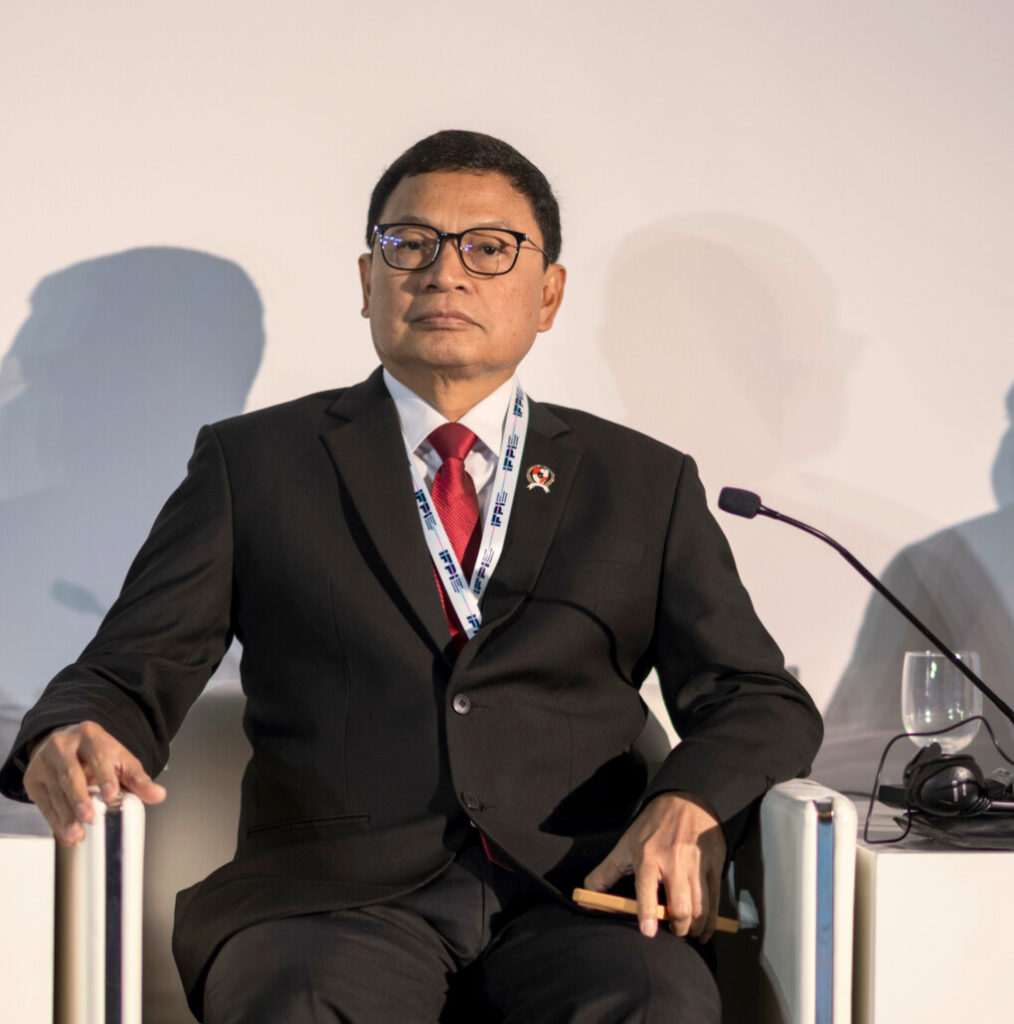
Taruna Ikrar, Chair of the Indonesian Food and Drug Authority
Across the two days, one message stood out: progress in pharma begins with people—those who inspect, regulate, innovate, and ask, “Can we do this better?” The discussions set the stage for ongoing collaboration and the return of a more robust next edition.