


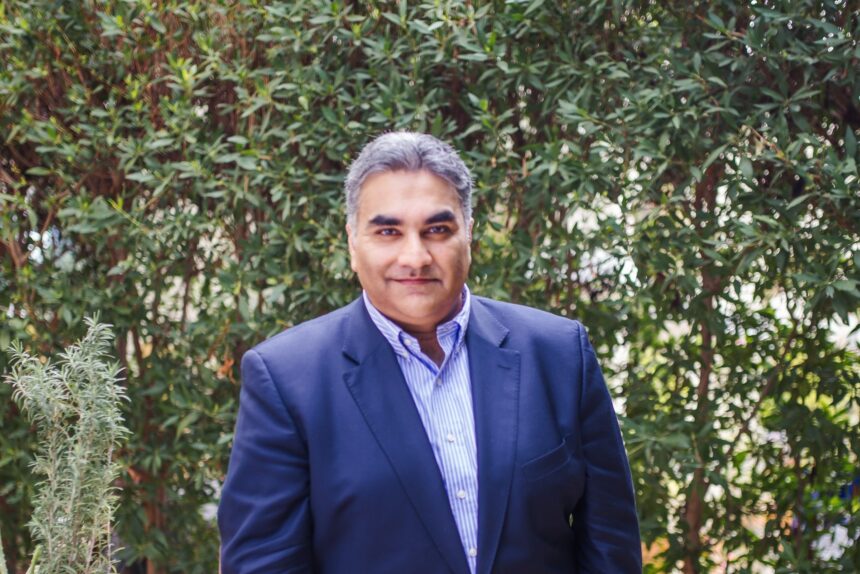
Speaking to Emirates Reporter, Aly Rahimtoola, Founder and CEO of Bien-Etre, breaks down the science of chronic stress, explaining how it affects the body, accelerates ageing, and what individuals can do to safeguard their long-term health. Here is the full interview.
E.R- How does chronic stress affect the body at a biological level, and why can it accelerate ageing?
Aly Rahimtoola- When you’re stressed, your body activates a hormonal chain reaction that floods you with cortisol and adrenaline. In the short term, that’s useful. Long term, it’s damaging. Sustained cortisol exposure disrupts sleep, suppresses immune function, spikes blood sugar, and, critically, shortens telomeres. Telomeres are the protective caps on your DNA strands and are a reliable measure of biological age. Chronic stress essentially speeds up the cellular clock.
E.R- At what point does stress shift from normal to a long-term health risk?
Aly Rahimtoola- Stress becomes a problem when your body stops returning to baseline. A deadline, an argument, a difficult week, that’s normal stress. The issue is when the system never switches off. If you’re sleeping poorly, getting sick more often, feeling emotionally flat, or noticing persistent tension for months on end, your body is likely carrying that extra stress load. Three to six months of unrelieved stress is where the clinical literature starts flagging long-term risk.
E.R- What is the connection between chronic stress and inflammation, and why does inflammation drive ageing?
Aly Rahimtoola- Cortisol, initially an anti-inflammatory hormone, is produced for this very reason. However, chronic exposure leads to cellular resistance to cortisol’s signals, causing the immune system to lose its ability to respond to its inhibitory effects. Consequently, pro-inflammatory molecules, specifically cytokines, circulate unchecked, resulting in a state termed “inflammaging.” This condition manifests as low-grade, chronic inflammation that silently damages tissues and organs over time. It is now recognized as a pivotal factor in the development of cardiovascular disease, neurodegeneration, type 2 diabetes, and various cancers. Notably, inflammation is not merely a consequence of aging, it accelerates the aging process.
E.R- Are there specific biological markers that show how stress is affecting the body over time?
Aly Rahimtoola- Yes. The most well established are C-reactive protein, or CRP, a marker of systemic inflammation, and cortisol rhythm, specifically the ratio between morning and evening levels, which flattens under chronic stress. Hair cortisol testing is increasingly used to measure average stress hormone levels over months rather than a single snapshot. More recently, epigenetic clocks, tools like the Horvath or GrimAge clocks, can estimate biological age from DNA methylation patterns. Heart rate variability, or HRV, is also a practical real-time indicator of how well your nervous system is recovering.
E.R- In regions experiencing prolonged uncertainty or instability, what are the most common health effects linked to stress?
Aly Rahimtoola- Research on conflict zones, economic collapse, and prolonged social instability is consistent. Cardiovascular disease rises sharply, as does hypertension. Mental health disorders, including anxiety, depression, and PTSD, also increase and carry their own physical consequences. Immune dysregulation means populations become more vulnerable to infections. Sleep disorders are near universal. Digestive issues such as IBS and ulcers are common because the gut-brain axis is extremely sensitive to sustained stress. Metabolic disorders, including type 2 diabetes, also increase, partly due to cortisol’s effects on blood sugar regulation and partly from the behavioural shifts stress drives, including poorer diets, less movement, and increased substance use.
E.R- What practical steps can people take to protect their long-term health from chronic stress?
Aly Rahimtoola- Sleep is the single most powerful intervention, the body does most of its stress recovery during deep sleep, and no amount of daytime coping compensates for chronic sleep deprivation. Beyond that, regular moderate exercise lowers cortisol and increases stress resilience at a cellular level. Breathwork and meditation are not soft recommendations, they activate the vagus nerve and shift the body from sympathetic to parasympathetic dominance. Social connection is physiologically protective, while isolation worsens stress biology. An anti-inflammatory diet, with less ultra-processed food and more omega-3s, fibre, and polyphenols, helps counter the inflammatory cascade. Critically, removing or reducing the stressor itself, wherever possible, is essential. Coping strategies are important, but they have limits if the source never changes. In uncertain times, reach out to friends and community, eat well, sleep properly, and avoid doomscrolling.
AS TOLD TO EMIRATESREPORTER.COM BY ALY RAHIMTOOLA, FOUNDER AND CEO OF BIEN-ETRE
Aly Rahimtoola is a seasoned entrepreneur whose career has been defined by a single, focused pursuit: understanding what genuinely works in consumer health and wellness, and building businesses rooted in that clarity.After early careers in investment banking and shipping, Aly entered the wellness space more than 15 years ago with the founding of Herbal Essentials, an award-winning natural skincare brand that he successfully scaled to global distribution across leading pharmacy chains. That journey provided something no formal education could offer: a deep, ground-level understanding of consumer behavior in health and wellness, the structural weaknesses within the industry, and the widening gap between marketing claims and measurable results.
Your Skills, Our Spotlight. Email editor@emiratesreporter.com to Get Featured.