

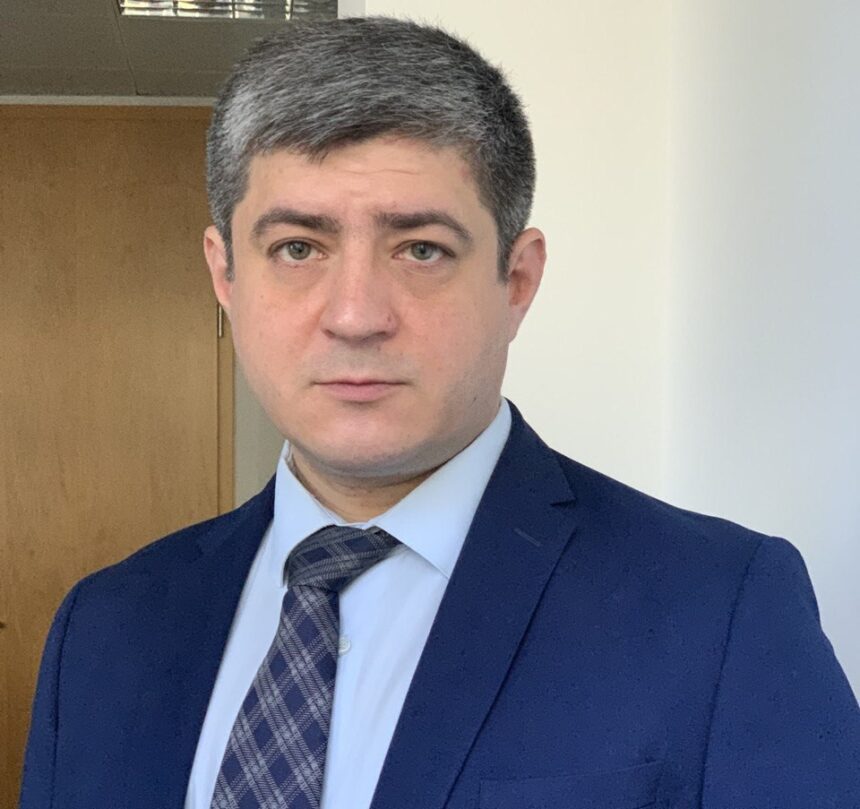
In an Exclusive to EmiratesReporter.com, Analyst Vladimir Chernov, Freedom Finance Global, said the United Arab Emirates exit from OPEC+ marks a key shift in global oil dynamics. Here is the full interview.
E.R- What does the UAE’s decision to leave OPEC and OPEC+ mean?
Vladimir Chernov- The United Arab Emirates unexpectedly announced that it will leave OPEC and the OPEC+ agreement starting 1 May. Historically, countries have left the cartel only when their oil production fell so low that they no longer played a meaningful role in balancing the market. Indonesia is one example. Qatar also withdrew earlier to focus on LNG production.
The UAE, however, is the third‑largest oil producer in OPEC, accounting for around 3% of global output. Since the start of the U.S.–Iran conflict, its production has fallen from about 3.5 million barrels per day to 2.1 million — a drop of roughly 40% — but this decline is linked to infrastructure damage, not resource depletion.
The decision appears driven by reluctance to comply with OPEC+ quotas at a time when the country’s infrastructure issues have already reduced output. The UAE’s Ministry of Energy has stated that it will be able to “meet the world’s fuel needs” in the future, though it has not specified when infrastructure will be restored.
A breakdown of the oil alliance and rising tensions between the UAE and Saudi Arabia would weaken OPEC+ as a regulatory mechanism, potentially lowering global oil prices.
E.R- How serious is the UAE’s departure for OPEC?
Vladimir Chernov- The exit is a serious blow. The UAE accounts for about 11.4% of OPEC’s production and around 9.1% of OPEC+ output. This is not a marginal producer but one of the Gulf’s largest.
OPEC will retain influence because major producers like Saudi Arabia, Iraq, and Kuwait remain. However, its ability to enforce discipline will weaken. The UAE’s move sets a precedent: if one major producer can leave the quota system, others with growing capacity may demand similar flexibility.
This also challenges Saudi Arabia’s leadership within OPEC+ and may reduce internal cohesion.
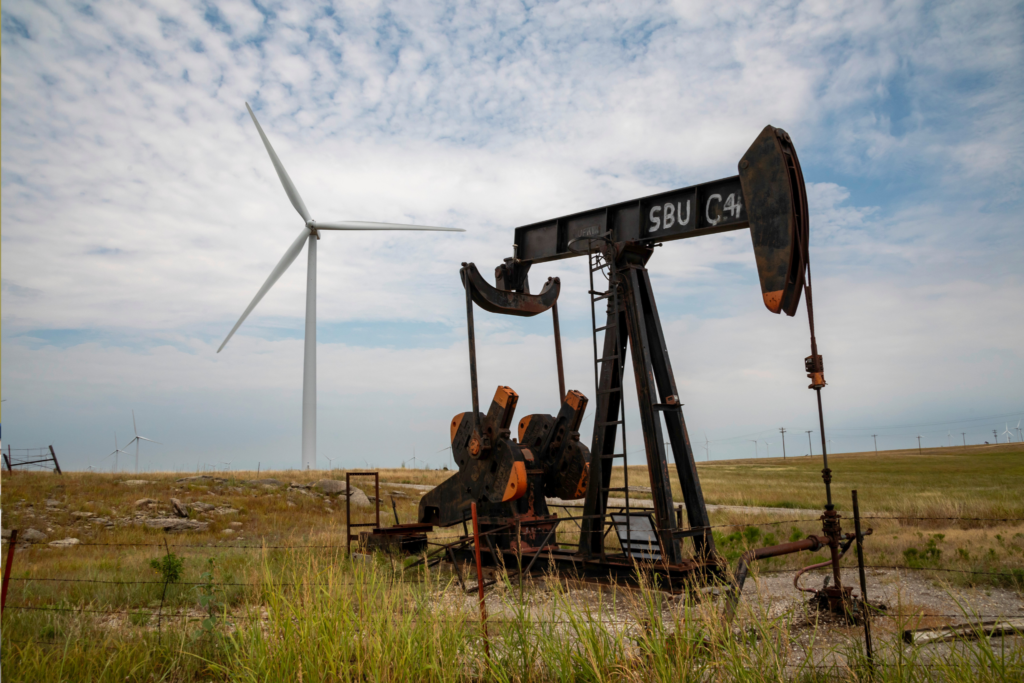
Illustrative Image
E.R- How will the UAE’s exit affect the oil market?
Vladimir Chernov- Short term: The impact on supply will be limited. As long as the Strait of Hormuz operates under restrictions, increasing production does not solve the physical bottleneck. The key issue is not only how much oil can be produced, but how much can be safely exported.
Medium term:
The effect becomes more negative for prices. The UAE has invested for years in expanding capacity and has long sought higher baseline quotas. Even if additional volumes enter the market gradually, they will still exert downward pressure on prices.
If logistics through Hormuz normalize, the UAE could quickly raise production outside OPEC+ limits, adding hundreds of thousands of barrels per day. This would increase supply and push Brent lower, especially if other producers follow.
E.R- Is the UAE’s decision permanent or temporary?
Vladimir Chernov- The decision appears long‑term. The UAE has been dissatisfied with OPEC+ restrictions for years, as they limited the monetization of its investments in new capacity.
A return is possible but unlikely in the near term. If the market shifts into oversupply, prices fall sharply, and relations with Saudi Arabia improve, the UAE could theoretically rejoin coordinated production management. For now, the move looks like a strategic step toward a more independent oil policy.
E.R- Will market speculation and volatility increase?
Vladimir Chernov- Yes. The global oil market now faces two major uncertainties:
- The situation in the Strait of Hormuz and the risk of supply disruptions.
- The future of OPEC+ discipline after the UAE’s departure.
This creates a wide range of possible price outcomes. If Hormuz remains restricted, Brent may stay above $100 per barrel. If logistics normalize and the UAE ramps up production — and others demand looser quotas — the market will price in higher supply and downward pressure on prices.
In the coming weeks, oil may move in sharp swings. Any news related to Hormuz, Saudi Arabia, the UAE, or the next OPEC+ meeting will amplify volatility. OPEC+ itself recently warned that attacks on infrastructure and logistical disruptions increase market instability.
- AS TOLD TO EMIRATESREPORTER.COM. THE VIEWS EXPRESSED ARE SOLELY THOSE OF THE GUEST/INTERVIEWEE.
- Your Skills, Our Spotlight. Email editor@emiratesreporter.com to Get Featured.
- READER’S, DO NOT MISS: