



By Anis Abdul Razak, Co-Owner of the Rasasi Group and Founder, Canéza
Dubai, UAE- Fragrance discovery no longer begins in-store. It begins on a screen.
Today, scent is introduced through short-form videos, creator commentary, and repeated digital narratives long before it is experienced physically. By the time a consumer encounters a fragrance, they often arrive with a fully formed perception shaped not by smell, but by what they have seen, heard, and interpreted online.
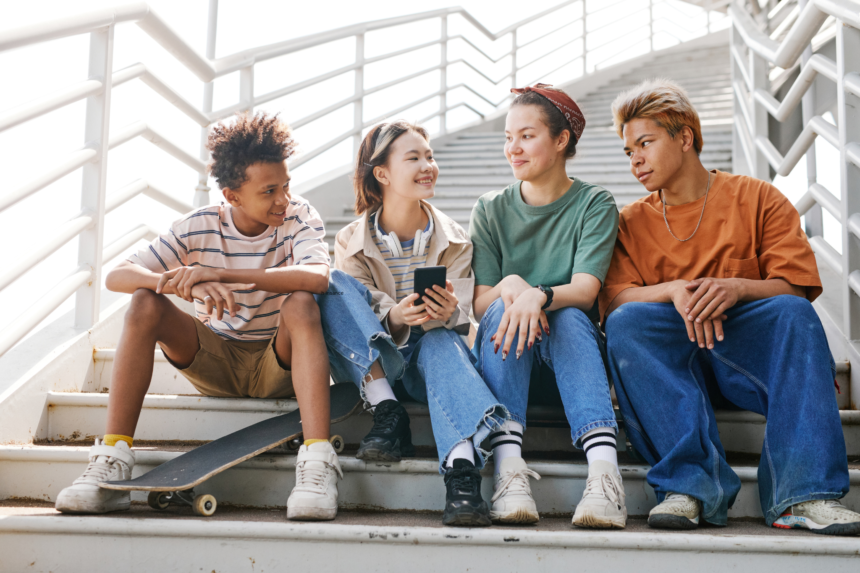
For Gen Z and millennial audiences, fragrance has evolved into a form of digital self-expression. It sits alongside fashion, beauty, and lifestyle content, driven by visual storytelling, relatability, and peer influence. What is striking is the speed at which these impressions form and how widely they spread, even among audiences who have never encountered the scent in person.
This shift is particularly interesting in the GCC, where fragrance has long held deep cultural significance. The regional market, valued at over $3 billion, is rooted in traditions of layering, gifting, and personal scent identity. Perfume here is not just a product it is embedded in daily life, hospitality, and memory.

What is changing is not the importance of fragrance, but the entry point of discovery.
Social platforms now serve as the first touchpoint, shaping awareness and expectation. These early impressions influence how consumers evaluate fragrance in real life, often guiding perception before the first spray.
Creators play a central role in this ecosystem. Their reviews, wear tests, and personal interpretations have become a trusted source of insight. Descriptions of projection, longevity, and performance carry significant weight because they feel experiential and immediate. Over time, these voices shape how consumers compare, evaluate, and ultimately choose fragrances.
Alongside this, a strong culture of comparison has emerged. Fragrances are frequently positioned relative to one another whether through value, similarity, or performance.
Repetition of these comparisons across platforms reinforces perception, often establishing a narrative before direct experience. Community engagement, particularly through comments and shared reactions, further amplifies this effect.
What we are seeing is a layered model of discovery. Digital influence shapes awareness and expectation, while cultural practice continues to define how fragrance is worn and valued. In regions like the GCC, tradition and personal expression remain deeply embedded, even as discovery becomes increasingly digital.
For brands, this shift demands more than visibility. It requires clarity and authenticity in communication. Consumers are no longer satisfied with surface-level descriptions they seek to understand composition, intent, and how a fragrance evolves on skin. There is growing importance in translating scent into language that feels real, relatable, and experience-led.
Ultimately, fragrance today exists across multiple touchpoints. It is imagined online, discussed within communities, and validated through personal experience. Each stage informs the next, shaping how scent is understood in a more complex and connected way.
The opportunity for the industry lies in bridging these worlds engaging audiences where discovery begins, while staying grounded in the moment that matters most: when the fragrance is finally experienced.
- As Told to EmiratesReporter.com for Its Readers