



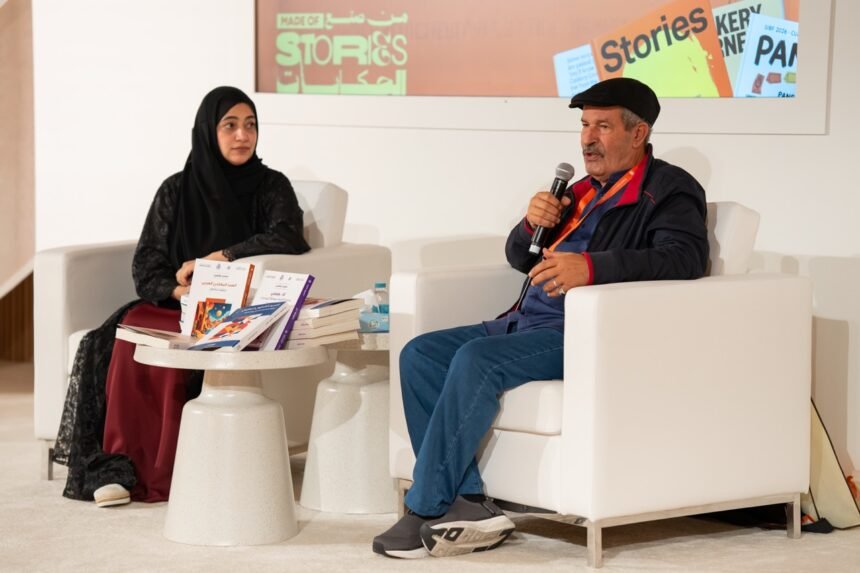
SHARJAH, UAE- Cultural identity must remain rooted in daily life and popular traditions even as communities adapt to rapid technological and social change, Moroccan literary critic Dr Said Yaktine told audiences at the 45th Sharjah International Book Fair (SIBF 2026).
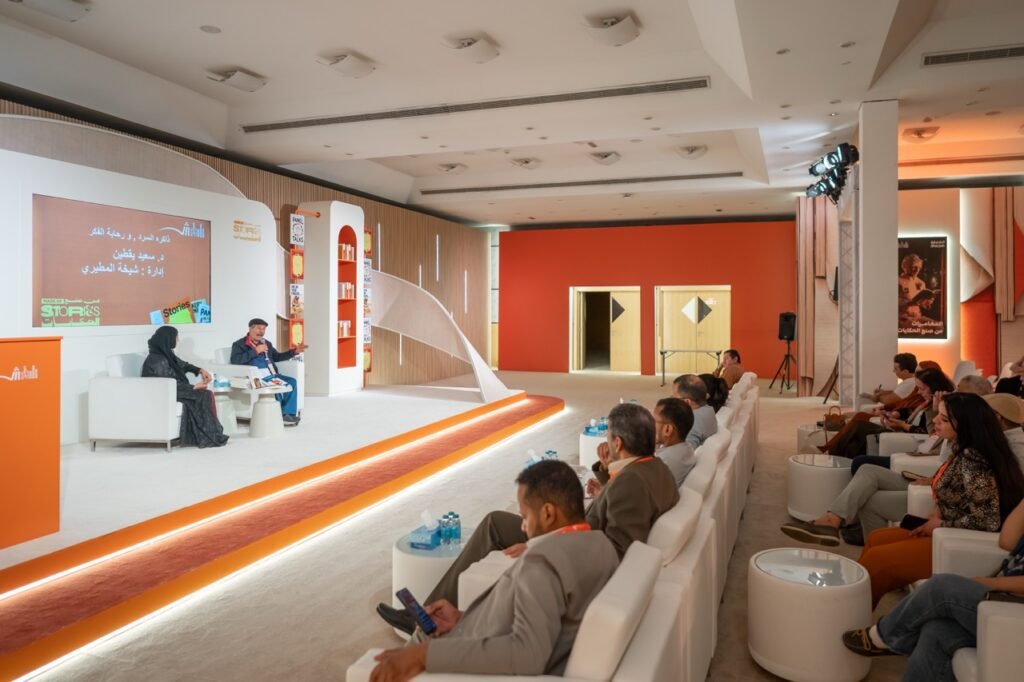
Speaking during a session titled ‘Said Yaktine: The Memory of Storytelling and the Breadth of Thought’, Dr Yaktine, SIBF 2026’s Cultural Personality of the Year, reflected on the relationship between literature, cultural memory and the forces reshaping how successive generations learn, communicate and understand the world. The discussion was moderated by Emirati poet and author Shaikha Al Mutairi.
For Dr Yaktine, popular culture is no less important than formal culture.
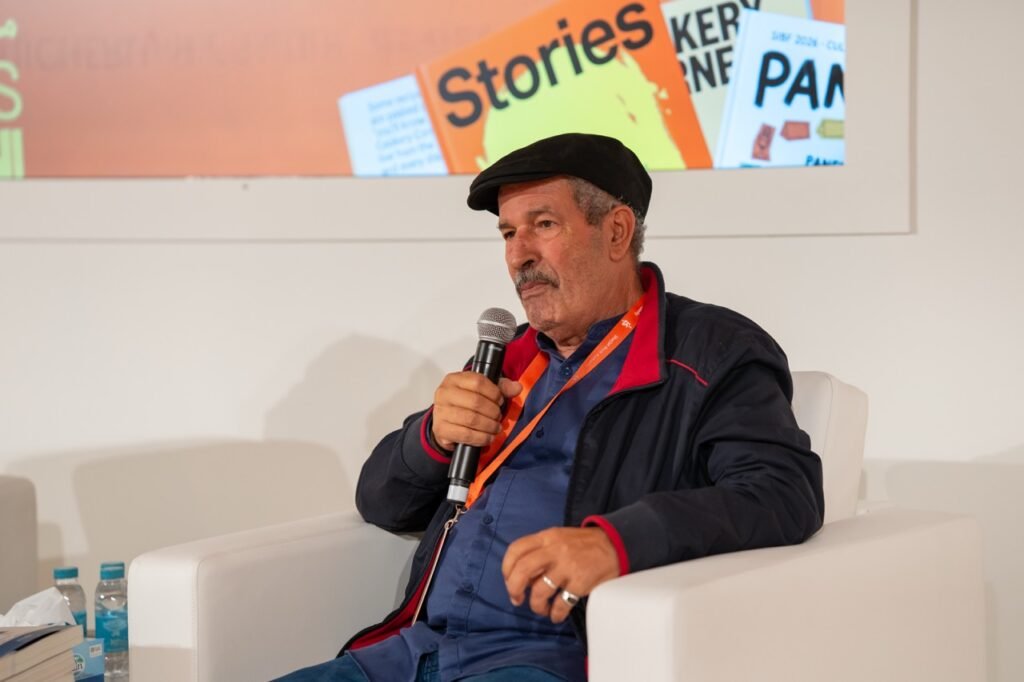
“Popular culture has weight and it has value,” he said, pointing to food, everyday customs, oral traditions, social relationships and neighbourhood life as elements that shape how people interact with each other.
Stories rooted in everyday life
Drawing on memories of growing up in Morocco, Dr Yaktine recalled popular neighbourhoods and public spaces where oral storytellers could hold audiences for extended periods, continuing their narratives from one gathering to the next. These experiences shaped his early relationship with storytelling, long before he formally studied literature.
“We are fundamentally a storytelling people,” he said. “A child comes home from school and starts telling the story of what happened. We come back from work and tell each other what happened during the day.”
Dr Yaktine also reflected on how urban development has transformed some of the spaces where these social and cultural exchanges once took place. Traditional squares and gathering places, he noted, have in some cases disappeared or changed their function as cities have expanded and commercial spaces have grown.
His argument, however, was not about resisting change. It was about ensuring that cultural memory is not lost in the process.
Guiding change without losing identity
That challenge has become more urgent in the digital age, Dr Yaktine said, as new technologies increasingly shape how younger generations learn, communicate and engage with the world.
“We have to intervene. We have to guide. We have to mentor,” he said, adding that societies need to reconsider how they engage with younger generations.
He extended the same argument to literature, stressing that writers should remain open to global literary developments without becoming detached from the experiences and questions of their own societies.
“The true novelist, in my opinion, should return to authentic patterns of life,” Dr Yaktine said.
He argued that engagement with global literature is necessary, but that writers must continue asking questions rooted in their own cultural environment if their work is to retain a distinctive voice.
For Dr Yaktine, cultural authenticity and modernity can coexist. Societies can engage with new forms of knowledge, technology and expression while continuing to value the local memories, relationships and traditions that give them their particular character.
The session formed part of SIBF 2026’s cultural programme. Organised by the Sharjah Book Authority (SBA), the 12-day fair runs at Expo Centre Sharjah until November 15.