


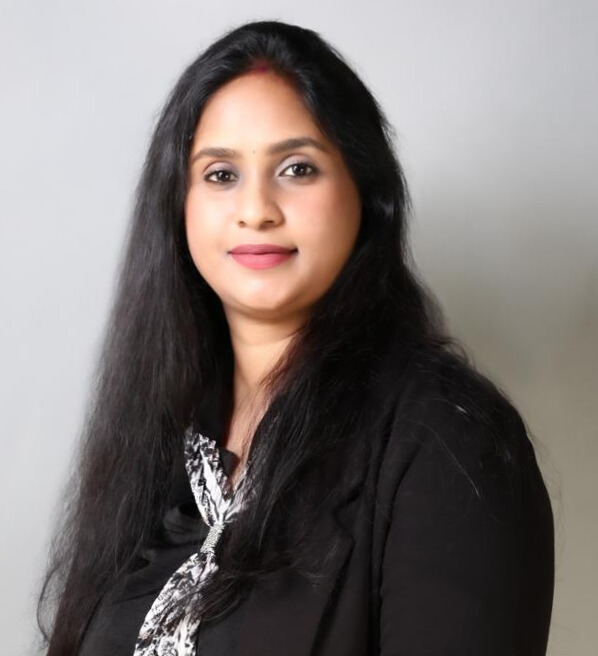
Bradford International Alliance (BIA) stands at the forefront of international education consultancy, empowering working professionals and students with access to globally recognised academic and career pathways. Headquartered in the UAE and operating across the GCC, the UK, Europe, South Africa and beyond, BIA collaborates with a strong network of partner institutions to enable learners to upskill, advance professionally, and seamlessly balance education with work and life commitments. In this exclusive interview, Maha Y, Director of Bradford International Alliance, shares her insights with Emirates Reporter on the evolving global education landscape, BIA’s mission, and its impact on shaping future-ready careers. Below is the EXCLUSIVE interview.
ER- Higher education feels crowded in the UAE. What is one thing you think learners are missing when choosing the right programme?
MAHA Y- Many learners today choose programmes based on what is trending rather than what truly aligns with their interests and long-term career direction. While it’s important to stay future-ready and aware of emerging fields, passion and personal alignment matter far more. A programme should resonate with your strengths, complement your career path, and keep you genuinely engaged—because sustained growth comes from relevance and commitment, not just popularity. When learning aligns with both your aspirations and the realities of your profession, it becomes impactful and lasting.
ER- Many professionals say they want to study but time is the biggest issue. What actually works for working adults?
MAHA Y- Balancing family, career, and education is undeniably tough—but it is not impossible. The real differentiator is discipline. Most professionals don’t struggle because they lack capability; they struggle because consistency and structure are missing. With the right discipline and planning, you’ll be surprised at how much you can achieve. Equally important is choosing an educational programme that offers the flexibility working professionals need to manage this balance effectively. Give your family your full presence when it’s family time, and give your studies complete focus when it’s time to learn. When both the programme and your mindset support this rhythm, progress becomes realistic, sustainable, and rewarding.
ER- We’re hearing a lot about ‘skills-first hiring’. What skills do you see UAE employers prioritising right now?
MAHA Y- In the UAE today, employers are increasingly prioritizing practical capabilities over credentials alone because the market is highly competitive and rapidly evolving. While technical knowledge is important, recruiters consistently highlight communication skills, teamwork, adaptability, and problem-solving as core requirements; for example, surveys show that over 80 % of employers rate teamwork and time management as very important skills when hiring. Beyond soft skills, practical abilities such as data interpretation, digital literacy, project management, and leadership are in demand because they directly translate to business outcomes. Employers want professionals who can apply knowledge to real-world challenges, collaborate effectively across multicultural teams, and manage change with agility. In today’s skills-first hiring environment — where demonstrable impact increasingly outweighs titles — the ability to show how you have solved problems and delivered results matters far more than simply listing qualifications
ER- AI is a hot topic. For non-technical professionals, what’s a sensible way to approach it without feeling overwhelmed?
MAHA Y- The most sensible approach to AI for non-technical professionals is to focus on practical value rather than complexity. AI should be treated as a productivity enabler, not a replacement for human judgment. Start by applying it to clearly defined tasks—such as drafting documents, summarising information, structuring reports, or supporting planning activities—where it can save time and improve efficiency. The real value comes when professionals review, refine, and contextualise the output using their expertise. Equally important is responsible use: organisations and individuals must be mindful of data confidentiality, validate accuracy, and apply clear governance standards. When approached thoughtfully, AI becomes a strategic support tool rather than an overwhelming disruption.
ER-Parents and students are also thinking about value for money. How should families assess whether a programme is worth it?
MAHA Y- Assessing value for money in higher education requires looking beyond tuition fees alone. Families should consider the overall investment in terms of time commitment, learning outcomes, and long-term progression opportunities. A credible program will be transparent about academic pathways, career relevance, and the level of academic and student support provided. It is also important to evaluate whether the program’s learning model aligns with the student’s learning style and aspirations—some learners perform best in theory-driven environments, while others benefit more from applied and practice-oriented learning. Ultimately, a program delivers true value when it supports both academic development and meaningful career progression in a sustainable and well-structured manner.
ER- The UAE is pushing hard on future-readiness. Which sectors or functions do you think will see the strongest demand for upskilling?
MAHA Y- From a leadership and entrepreneurial perspective, while foundational business and leadership skills remain critical, the UAE’s future-ready economy is creating significant demand in areas such as digital transformation, data analytics, healthcare management, and operations excellence. Even traditionally structured roles now require professionals who can leverage technology, drive process improvements, and enhance customer experiences. The key for individuals is to focus on skills that combine strategic thinking with practical execution, enabling them to add measurable value in dynamic, rapidly evolving business environments.
ER- What is one common mistake professionals make when they return to education later in life?
MAHA Y- One common mistake professionals make when returning to education later in life is overestimating what they can manage. It’s essential to consider your age, existing commitments, and energy levels, and to avoid overcommitting or setting unrealistic expectations. Success comes from pacing yourself, being consistent, and aligning your study load with what you can realistically sustain alongside work and personal responsibilities. Prioritizing balance over intensity ensures that learning is both effective and achievable.
ER-From your experience, what should a learner do in the first 30 days of starting a programme to set themselves up for success?
MAHA Y- In the first 30 days of a program, learners should focus on establishing a structured and purposeful approach to their studies. This includes creating a consistent weekly schedule, identifying accountability mechanisms—such as a mentor, peer, or study group—and articulating a clear and concise personal objective for undertaking the program. Equally important is the immediate integration of learning with professional practice: applying concepts in real-world contexts and documenting outcomes helps bridge theory and practice. By embedding learning into existing work responsibilities from the outset, students can maximize both retention and the practical impact of their education.
ER- Graduation season is a big moment. Beyond celebration, what does a graduation represent for working professionals in particular?
MAHA Y- For working professionals, graduation signifies more than the completion of a programme; it is a testament to commitment, perseverance, and the pursuit of growth amidst life’s responsibilities. It embodies the idea that learning is a lifelong journey, and that true progress requires the courage to invest in oneself despite challenges. Graduation becomes a symbolic milestone—a moment that affirms one’s resilience, the value of disciplined effort, and the readiness to embrace new opportunities, responsibilities, and horizons with confidence.
ER- If you could give one piece of advice to a young professional in the UAE who feels stuck in their career, what would it be?
MAHA Y- My advice would be to embrace honesty, integrity, and resilience as guiding principles in every step of your career. Take on each challenge with a positive mindset, stay committed, and never give up, even when progress seems slow. Simultaneously, identify one capability—such as leadership, communication, or a technical skill—that can meaningfully impact your trajectory, and build it steadily. Consistent effort, combined with the right attitude and values, compounds over time, providing tangible results and the confidence to advance in your career.
More about Maha Y
Maha Y is an accomplished education specialist, academic leader, and lifelong learner whose career began at 18 with Tata Consultancy Services in India, gaining foundational experience in educational operations and institutional management. She later supported working professionals through executive education programs at the Indian Institutes of Management (IIMs) and holds a Bachelor’s degree and dual Master’s degrees in Business and Information Technology, while currently pursuing a PhD in Digital Transformation and Leadership. Maha has entrepreneurial experience in early childhood education, and after relocating to the UAE, she has guided thousands of professionals toward globally recognized programs in collaboration with universities across Switzerland, Canada, Australia, the UK, Malaysia, and Europe. Together with her husband, she founded Bradford International Alliance Education Group, empowering learners worldwide and championing innovation, research, and transformative, accessible education.