


Dubai, UAE- In a powerful show of resilience and national support, UAE residents are driving a remarkable staycation boom, helping sustain the country’s hospitality sector even as regional tensions disrupt international travel. With flight cancellations, airspace uncertainties, and a dip in foreign tourist arrivals, hotels across Dubai, Abu Dhabi, and the Northern Emirates have turned inward, finding strong backing from residents who are choosing to holiday at home rather than abroad. This shift is not only cushioning the impact of global instability but also reinforcing the UAE’s economic ecosystem from within.
Recent industry data reveals that during peak periods such as Eid holidays, hotels across the UAE recorded occupancy levels nearing and in some cases reaching 100%, highlighting a surge in domestic demand. What would typically be a challenging period due to geopolitical uncertainty has instead transformed into an opportunity, as residents step in to fill the gap left by international tourists. Families, couples, and young professionals are increasingly opting for short luxury escapes within the country, seeking both convenience and a sense of normalcy without the need for overseas travel.
This trend is being actively supported by the hospitality sector, which has rolled out aggressive staycation offers, discounts of up to 70%, and value added packages including dining credits, spa access, and family-friendly perks. These initiatives are not just marketing strategies, they represent a strategic pivot to domestic tourism, ensuring business continuity while offering residents high value experiences at competitive prices. The response has been overwhelmingly positive, with many UAE residents embracing the opportunity to explore their own country’s world class resorts, beaches, deserts, and mountain retreats.

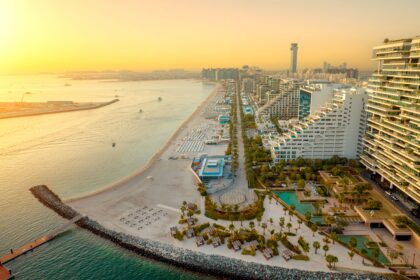
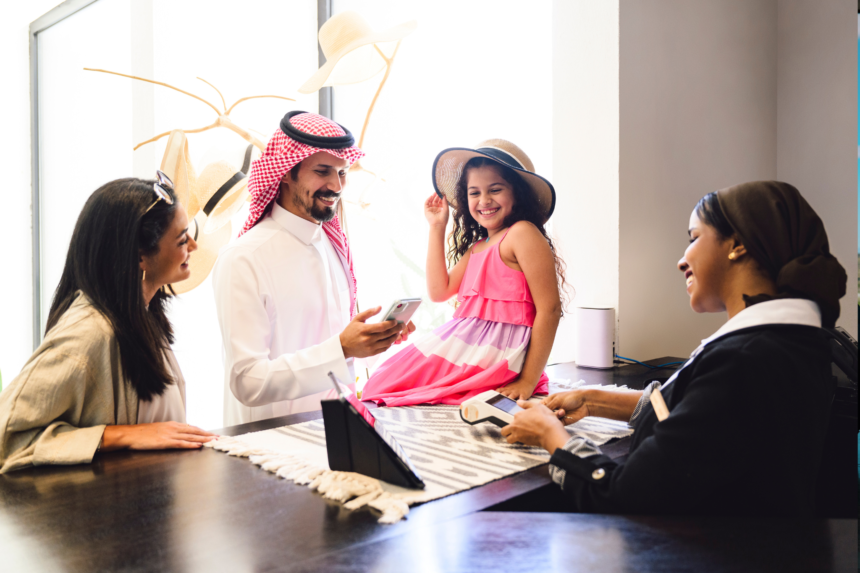
–Illustrative Image
Beyond immediate economic impact, the staycation boom reflects a deeper behavioral shift. Staycations have evolved from being a secondary option to becoming a core part of travel culture in the UAE. Search demand for staycations has more than doubled during key periods like Ramadan, while occupancy rates and pricing trends indicate sustained interest throughout the year. What was once seen as a convenient alternative is now a preferred lifestyle choice, one that aligns with flexibility, affordability, and a growing appreciation for local experiences.
Importantly, this surge in domestic tourism is playing a stabilizing role for the broader hospitality ecosystem. Residents are not just booking rooms, they are engaging fully with hotel offerings, from dining and wellness to entertainment and cultural experiences. This holistic participation is helping hotels maintain multiple revenue streams even in the absence of international footfall, ensuring that staff, services, and supply chains continue to operate smoothly.
The UAE’s hospitality sector, which recorded nearly 19.6 million international visitors in 2025 and maintains one of the highest hotel occupancy rates globally, is now demonstrating its adaptability in real time. While external factors may temporarily disrupt inbound tourism, the strength of the domestic market is proving to be a powerful counterbalance. Residents are not only rediscovering the UAE’s diverse destinations, from luxury beachfront resorts to serene mountain getaways but are also contributing to a broader narrative of unity and economic solidarity.
In many ways, this staycation surge is more than just a travel trend, it is a statement. At a time when global uncertainty looms, UAE residents are choosing to invest in their own country, support local businesses, and keep the wheels of the economy turning. The result is a hospitality sector that, despite external pressures, continues to thrive, powered not by international arrivals, but by the confidence and commitment of the people who call the UAE home.
This article is a work of research and analysis based on available industry trends, reports, and publicly accessible information. It is intended for informational purposes only and does not represent official data or statements from any specific organization or authority.