



E.R. Team Highlights Key Insights for Post-Eid Health and Balance
Dubai, UAE- The transition after Ramadan and Eid Al Fitr offers a valuable opportunity to preserve the healthy rhythm many people naturally develop during the holy month. Studies in the field of intermittent fasting show that structured fasting patterns such as those followed during Ramadan can support improved metabolic markers, including better insulin sensitivity and modest weight regulation when maintained consistently. However, research also highlights that these benefits can quickly reverse if post-Ramadan habits shift abruptly toward overeating, irregular sleep, and reduced physical activity. This makes the post-Eid period a critical time to consciously sustain balance.
One of the most important habits to carry forward is mindful eating. During Ramadan, meal timing is restricted, which often reduces unnecessary snacking and encourages portion awareness. According to global health guidance from the World Health Organization, maintaining balanced meals with appropriate portions of whole grains, lean proteins, fruits, and vegetables helps prevent spikes in blood sugar and supports long-term health. After Eid, where celebratory foods are often rich and calorie dense, returning to structured meal timing such as avoiding late night eating and limiting processed sugars can help stabilize energy levels and prevent post-festive weight gain.
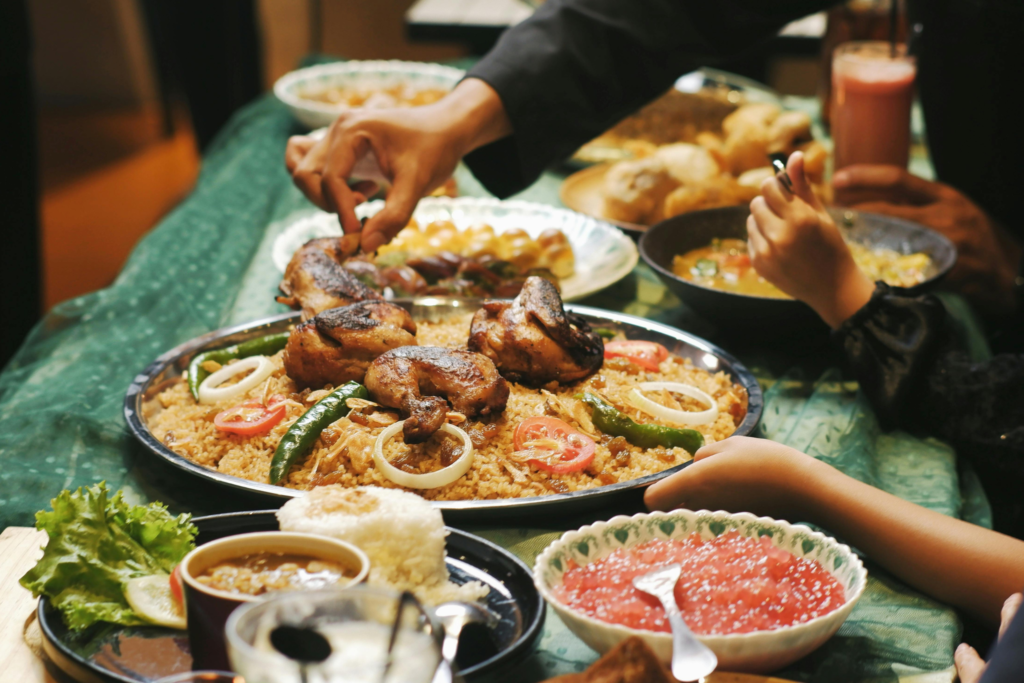
Illustrative Image
Sleep rhythm is another key factor. During Ramadan, many individuals adjust their sleep schedules around pre-dawn and evening meals, often becoming more conscious of rest patterns. Health research shows that consistent sleep, ideally 7 to 9 hours for adults, supports immune function, mental clarity, and metabolic health. Gradually returning to a stable sleep cycle after Eid, rather than abruptly shifting or continuing erratic patterns, can help the body maintain hormonal balance and reduce fatigue.
Hydration and physical activity should also remain priorities. Fasting naturally increases awareness of hydration, and post-Ramadan, maintaining a daily intake of around 2 to 3 liters of water (depending on individual needs and climate) is essential, especially in regions with warmer climates like the UAE. Light to moderate exercise such as walking, cycling, or strength training for at least 150 minutes per week, as recommended by the World Health Organization can sustain cardiovascular health and help preserve the physical benefits gained during Ramadan.
Equally important is the mental and emotional discipline cultivated during the month. Ramadan often encourages mindfulness, reduced stress, and greater self control. Psychological studies indicate that habits formed over 3 to 4 weeks, roughly the duration of Ramadan, have a higher likelihood of becoming long-term behaviors if continued intentionally. Maintaining practices like mindful eating, gratitude, and moderation can therefore extend both physical and mental well-being beyond Eid.
Ultimately, the goal after Eid is NOT restriction, but balance. By keeping the structured habits of Ramadan controlled portions, regular hydration, consistent sleep, and mindful living, individuals can sustain the positive health momentum built during the month. With small, consistent efforts, the discipline of Ramadan can evolve into a year round lifestyle that supports both physical vitality and overall wellness.
“SOURCE: BASED ON RESEARCH CONDUCTED BY THE E.R. TEAM FOR GENERAL INFORMATIONAL PURPOSES ONLY. THIS CONTENT IS INTENDED FOR BROAD READERSHIP AND SHOULD NOT BE CONSIDERED MEDICAL ADVICE. READERS ARE ADVISED TO CONSULT A QUALIFIED HEALTHCARE PROFESSIONAL FOR ANY HEALTH CONCERNS OR MEDICAL CONDITIONS.”