


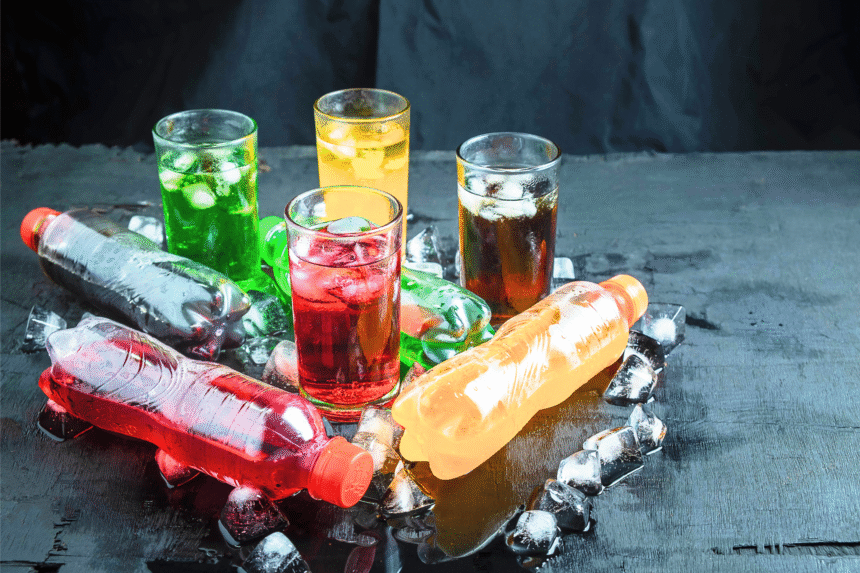
Dubai, UAE- From January 1, 2026, the UAE will overhaul its excise tax on sweetened beverages by replacing the current levy with a tiered, volumetric sugar-based system that links tax rates directly to the amount of sugar per 100ml rather than the product’s value. Under the new model, drinks will be classified into sugar tiers—high, moderate, low, or artificially sweetened only—with the Cabinet setting per-liter tax amounts for each category, while energy drinks will continue to attract a 100 percent excise unchanged. The reform, aligned with updated GCC guidance, is designed to encourage manufacturers to reformulate products, promote lower-sugar consumption, and create a more standardized and transparent tax structure.
Illustrative Image
The scope extends beyond ready-to-drink beverages to include concentrates, powders, and extracts, while exemptions remain for 100 percent natural juices without added sugar, milk, and certain medical or dietary drinks. Businesses across the value chain will need to prepare through laboratory testing, certification, product registration, and system upgrades, as items without verified sugar content may be treated as high-sugar by default. Producers are likely to face reformulation, certification, and labeling costs, while importers, distributors, and retailers will need to reclassify inventory, adjust pricing, and ensure compliance documentation is in place. For consumers, the shift is expected to make high-sugar drinks relatively more expensive and expand the availability of low- and zero-sugar alternatives, gradually reshaping beverage choices on store shelves. Overall, the move marks a significant transition from a single-rate excise to a differentiated, health-driven tax framework, with short-term compliance demands for businesses and longer-term changes in product offerings and consumer behavior.