


EDITOR’S SPECIAL:
Dubai’s real estate market is entering one of its most defining chapters, with property prices soaring to unprecedented heights and reshaping the city’s investment landscape. As values climb across villas, apartments and prime waterfront communities, the question on everyone’s mind is clear: What’s driving this surge — and where is the market headed next? This special report breaks down the real reasons behind Dubai’s skyrocketing prices and offers a grounded, forward-looking view of what buyers, investors and residents can expect in the months and years ahead.
Dubai, UAE- Dubai’s property market has moved from rapid recovery into outright acceleration, with prices in many segments shooting to levels that would have seemed unlikely just a few years ago. The headline numbers explain why: average prices per square foot have climbed sharply (reports show citywide averages around the mid-thousands of dirhams per sq.ft), and several market trackers put the recent citywide figure in the ballpark of AED 1,600–1,800 per sq.ft, depending on the source and methodology.
Several concrete forces are pushing values higher. First, demand is strong and broad-based. Dubai continues to attract a steady flow of expatriates, entrepreneurs and wealthy international buyers who value the emirate’s tax environment, ease of residency, and lifestyle offering. That demand is no longer limited to speculative investors; a noticeable share of buyers are end-users seeking homes (especially villas and larger units), which supports sustainable price growth rather than short-term flipping. The surge in transactions — with hundreds of billions of dirhams of real-estate sales recorded within recent reporting periods — underlines how active the market has become.
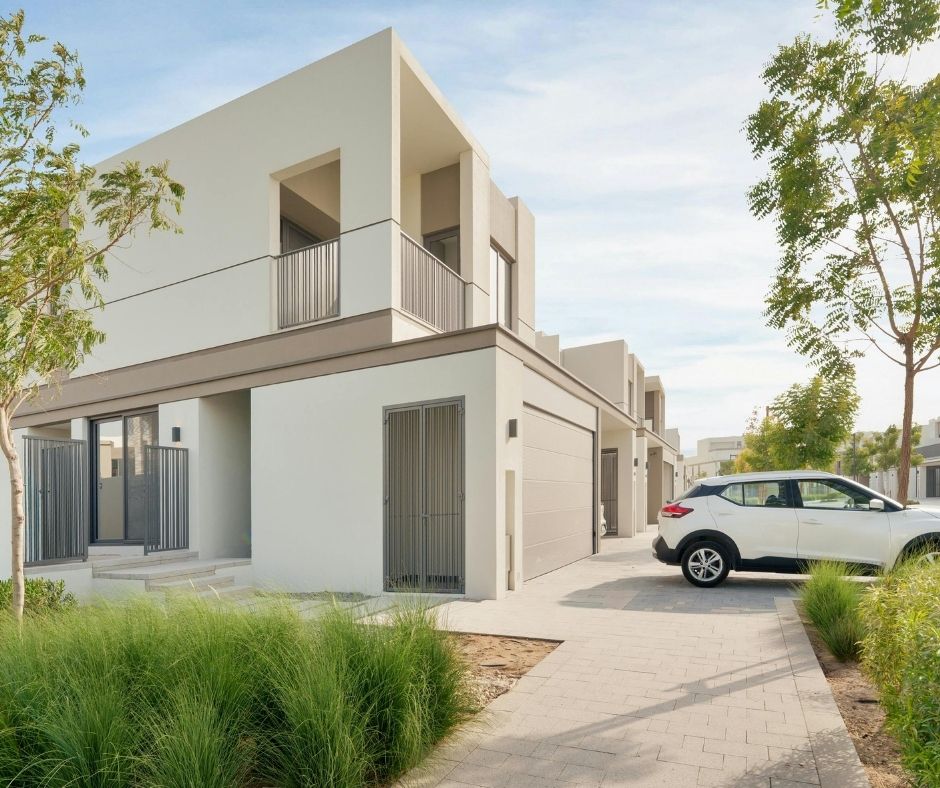
Second, supply dynamics are working in the market’s favour, particularly for villas. Developers have announced large volumes of new apartments, yet the number of genuine standalone homes coming to market is comparatively limited. That imbalance has tightened inventory in the villa segment and pushed prices higher there faster than for apartments. Market indexes show villas outperforming apartments in year-on-year gains, and prime villa neighborhoods have posted the largest increases.
Third, capital flows and investor confidence matter. Dubai has positioned itself as a relatively resilient and open market in a volatile global landscape. Continued inflows from Gulf and international buyers, significant off-plan activity, and growing interest from institutional investors have all contributed to a higher valuation baseline. At the same time, lower levels of short-term speculative resale activity — compared with earlier boom cycles — indicate many purchasers are preparing to hold assets for the medium to long term, which reduces churn and supports steady appreciation.
Macroeconomic and policy factors also play a role. Residency reforms, investor-friendly visa rules and incentives, and ongoing government efforts to attract business and talent create an ecosystem that bolsters real estate demand. Financial conditions — including historically low borrowing costs in recent years, and accessible mortgage products for qualified buyers — helped stimulate purchases. However, this is a double-edged sword: should global interest rates rise or lender underwriting tighten, affordability could be squeezed and price momentum could slow.
What does this mean for the near- and medium-term future of Dubai real estate? Expect a more nuanced path than simple nonstop growth. On one hand, strong fundamentals — population growth, steady inward migration, constrained villa supply and high investor interest — point to continued price resilience and the potential for further gains in specific segments, especially luxury villas, waterfront and well-located family communities. Transaction volumes are likely to stay elevated as both international and regional buyers chase yield and capital appreciation.
On the other hand, risks temper that optimism. Affordability is already a growing concern: when average prices per sq.ft move substantially higher, first-time buyers and middle-income households face barriers to entry, which could shift demand toward more affordable suburbs, off-plan projects or rental markets. A wave of new housing supply — particularly if many of the promised new units are completed in a short window — might alleviate shortages and cool price growth, particularly for apartments. Macroeconomic shocks, tighter global monetary policy, or a slowdown in foreign capital inflows would also present downside risks.
For investors and consumers, the practical takeaway is to be selective. Location, product type and timing matter more than ever: villas and prime waterfront properties have shown outsized gains, while mid-market apartments may offer steadier rental yields but less dramatic capital upside. Buyers with a long horizon who are buying for use or long-term investment may find opportunities if they can accept current price levels; short-term speculators face more uncertainty unless they have clear exit strategies. Meanwhile, renters should expect upward pressure on rents to follow sale-price trends over time, though rental growth can lag and vary significantly by neighbourhood.
Policy makers and developers will also influence the trajectory. If authorities continue to support sustainable demand through sensible regulation, infrastructure, and housing diversity, the market can avoid the boom-and-bust cycles of the past. Developers that shift more supply toward villa-style or family housing where shortages exist — or provide competitively priced, well-located apartment stock — could help moderate extremes and broaden access.
In short, Dubai’s property prices are reaching new heights because of real demand, supply mismatches, strong investment inflows and supportive policy drivers. The future likely features continued strength in targeted segments with periodic moderation as supply and macroeconomic forces interact. For anyone considering buying, selling, or investing, the smart play is research and discipline: understand the micro-market, factor in financing changes and plan for the medium term rather than chasing last month’s headlines.
ARTICLE BASED ON RESEARCH WITH REAL ESTATE OWNERS, DEVELOPERS, BROKERS