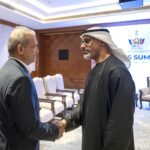




Dubai, UAE – April 28, 2026: Reports indicate that the United Arab Emirates will exit OPEC from May 1, a move that could mark a historic shift in global energy dynamics.

By Amit Kakkar, Managing Editor, EmiratesReporter.com
Dubai, UAE- On April 28, 2026, the OPEC was shaken by a historic announcement: the United Arab Emirates will exit the oil-producing alliance effective May 1. After more than five decades of membership, one of OPEC’s largest producers has chosen to step away, sending shockwaves across global energy markets.
The decision comes at a time of intense geopolitical stress. The ongoing Iran-related conflict has disrupted oil flows through the critical Strait of Hormuz, a route that normally carries a significant share of the world’s energy supplies. At the same time, internal disagreements within OPEC over production quotas and strategy have become more visible. Officially, the UAE has described the move as a “strategic decision” following a review of its energy policies and future production capacity. So does this indicate towards Freedom to produce more, sell more, and respond faster to global demand without being tied down by any of the cartel restrictions.
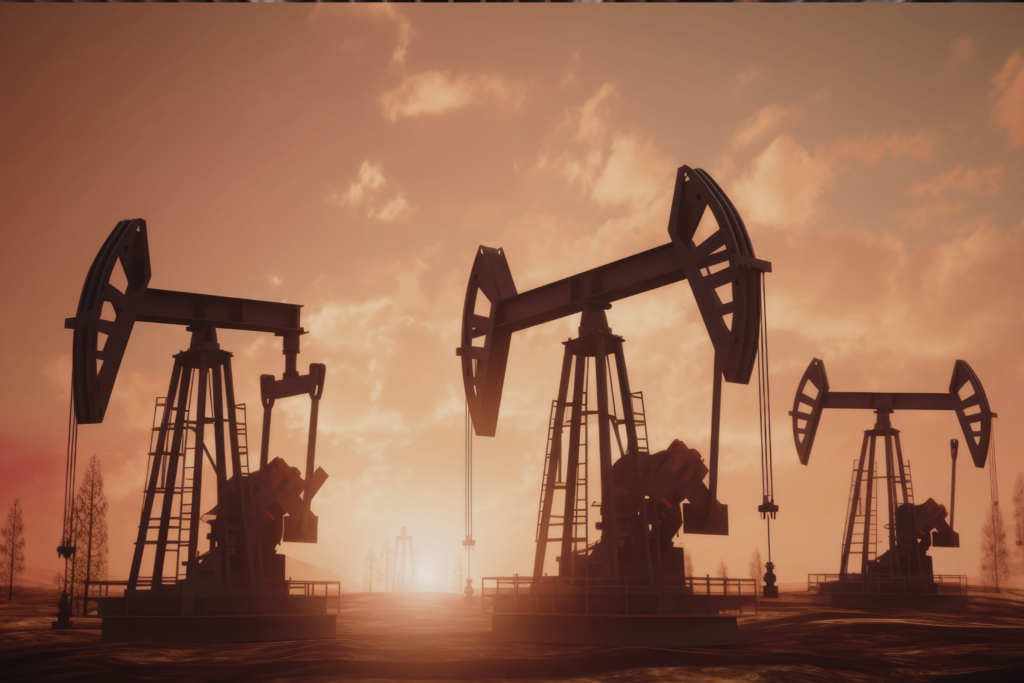
This is not an impulsive move but it looks like a calculated shift.
In the short term, markets may not see dramatic changes. Supply is already constrained due to geopolitical tensions.
In the long run, the United Arab Emirates decision to exit OPEC could significantly reshape the global oil order. The move is likely to give the UAE greater freedom to set its own production strategy, much in the national interest. This independence could allow the country to ramp up output without constraints, potentially increasing overall global oil supply. Over time, a rise in supply could put downward pressure on prices, ultimately benefiting consumers worldwide but also intensifying competition among major oil-producing nations.
At a deeper level, this move signals a shift from collective control to competitive production. The move signals that the era of strict cartel dominance may now be fading.
This is where the story becomes bigger than oil.
The UAE is therefore sending a clear message to the world:
“We are not just an oil producer but we are an independent global player.”
This aligns with the country’s broader transformation from an oil-dependent economy to a diversified powerhouse in trade, finance, technology, and renewable energy.
Walking away from OPEC is not a rejection of cooperation but it is a declaration of confidence.
From an editorial perspective, this is a bold and calculated risk taken in the national interest.
The upside of the move is significant for the United Arab Emirates, as it gains far greater flexibility in managing its oil production without the constraints of OPEC quotas. This independence can strengthen its global positioning by allowing it to respond more dynamically to shifts in demand and pricing, while also enabling the country to capitalize quickly on emerging market opportunities. Over time, such agility could enhance the UAE’s competitiveness and influence in the global energy landscape.
In many ways, this decision reflects the UAE’s broader philosophy: move fast, think long-term, and lead rather than follow.
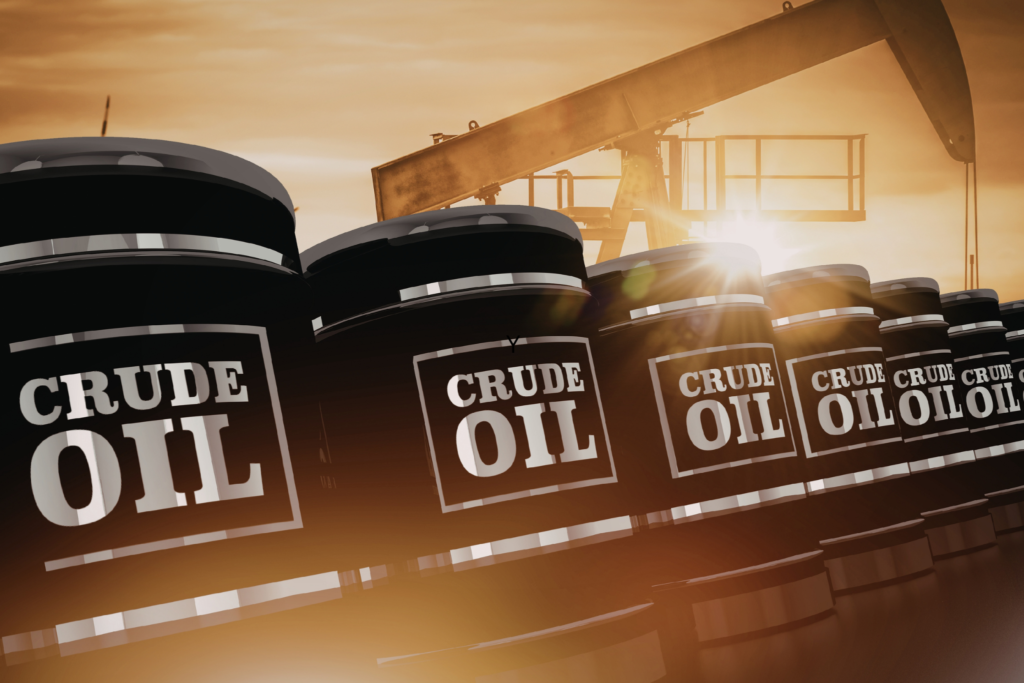
This could trigger a domino effect, may be not.
But If the UAE succeeds outside OPEC, will the other countries consider their own membership? The cartel could gradually lose relevance, transforming from a dominant force into just one of many players.
For global energy markets, this may now mean: More competition, Less coordinated pricing and Increased volatility but also potential affordability
For the UAE, it now may means stepping into a new role, not just as a participant, but as a price influencer in its own right.
The UAE’s exit from OPEC is not just an energy story but it is a geopolitical statement, an economic strategy, and a signal of changing global power dynamics keeping national interests first.
This is not the end of OPEC but it may be the beginning of a new era.
And in that new era, I suppose the UAE is clearly saying:
“We will write our own rules.”
The Analysis is based on news reports. Illustrative Images Used
READER’S, DO NOT MISS: