


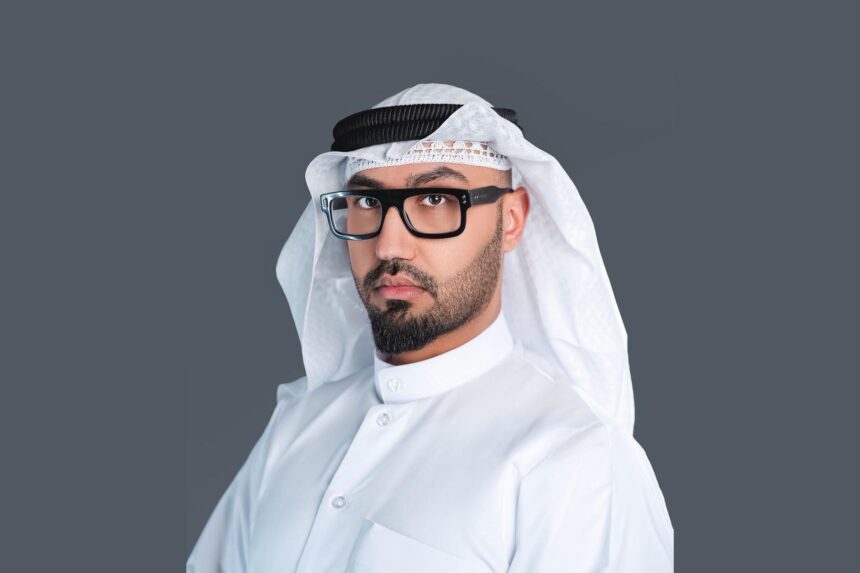
Dubai, UAE- As regional dynamics continue to shape global investor sentiment, Dubai’s real estate market is demonstrating resilience through stability, selective demand, and long-term value focus. Offering a grounded perspective on evolving buyer behavior, investment strategies, and market fundamentals, Ahmad Sultan Al Shammari, Group Head of Sales at Palladium Prime Real Estate Development, shares key insights into how the sector is adapting to current conditions while maintaining investor confidence.
EmiratesReporter.com spoke exclusively to him.
E.R- How has Dubai’s real estate market behaved several weeks into the regional conflict?
Ahmad Sultan– Transaction volumes have softened slightly, but pricing remains stable. Sellers are showing patience rather than reacting, which reflects the confidence built from Dubai’s strong track record of recovery through previous cycles.
E.R- What shifts are you seeing in demand across different market segments?
Ahmad Sultan– Demand has moved decisively toward certainty. Well-located, well-designed projects delivered by credible developers are outperforming, regardless of the price segment.
E.R- How have buyer demographics evolved during this period?
Ahmad Sultan– Buyer profiles remain broadly consistent, with continued demand from CIS countries, Europe, South Asia, and the GCC. What is changing is the diversity within these groups, rather than any replacement of existing markets.
E.R- What should people investing in Dubai remotely focus on right now?
Ahmad Sultan– For international investors buying remotely, the focus has shifted from short-term gains to long-term asset quality and capital preservation. The main risk is overexposure to speculative off-plan projects in areas with rising supply, as quick ‘flip’ strategies have become less predictable. Prioritising reputable developers and strong post-handover management is essential. Dubai’s regulatory oversight, investor-friendly frameworks, and currency stability continue to reinforce its appeal, but the market now rewards a more selective and disciplined approach.
E.R- How are asset values, capital deployment, and deal timelines evolving?
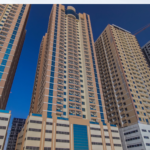
Ahmad Sultan– Dubai continues to benefit from strong governance, transparency, and long-term economic planning, which supports investor confidence even during regional uncertainty. Buyers are prioritising reliability, quality execution, and predictable delivery over sheer scale. Our mid-rise development model aligns with this shift by enabling tighter construction oversight, shorter delivery cycles, and disciplined capital deployment. These factors help ensure projects remain on schedule and aligned with end-user demand as global conditions fluctuate.
E.R- How is the market approaching operational resilience and supply chain stability?
Ahmad Sultan– Operational resilience today depends on efficient project structures and strong local partnerships. By focusing on mid-scale residential buildings, we reduce construction complexity and limit exposure to long supply chains, allowing projects to adapt more easily when regional disruptions occur. Integrated monitoring systems and intelligent building technologies further support continuity across our developments. This combination of scale discipline, local coordination, and smart systems helps maintain stability for both our teams and our delivery timelines.
E.R- What role do energy resilience and sustainability now play in long-term viability?
Ahmad Sultan– Energy efficiency and sustainability have become central to long-term real estate value. Intelligent building systems, efficient architectural layouts, and strategic site selection all contribute to lower operating costs and stronger asset performance. Dubai’s long-term urban strategy—focused on sustainability, infrastructure investment, and smart city innovation—reinforces this direction. For Palladium, integrating sustainability from the earliest design stages is essential to ensuring our developments remain resilient and competitive in the years ahead.
E.R- How important has design become in project performance?
Ahmad Sultan– Design has become a clear performance factor. It directly influences liquidity, rental demand, and long-term value.
E.R- Are buyers placing more emphasis on safety and building features?
Ahmad Sultan– Awareness around build quality and resilience is increasing, especially among end-users. However, these considerations still remain secondary to fundamentals such as location and developer reputation.
E.R- How is competition evolving among developers?
Ahmad Sultan– Competition is rising, but the market is becoming more structured. Strong operators are gaining market share, while weaker ones are gradually being filtered out.
E.R- How is the role of brokers and agents changing?
Ahmad Sultan– The role of brokers is shifting toward true advisory. Clients now expect market knowledge, comparison, and strategy, not just access to inventory.
Finally, I would like to say that this is not a market slowdown, but a shift toward more disciplined decision-making. Capital remains active, but more selective, which is a healthy sign for long-term sustainability.
- AS TOLD TO EMIRATESREPORTER.COM. THE VIEWS EXPRESSED ARE SOLELY THOSE OF THE GUEST/INTERVIEWEE.
- Your Skills, Our Spotlight. Email editor@emiratesreporter.com to Get Featured.