



MARKET MELTDOWN: Gold Crashes as Oil Prices Explode Worldwide

By Amit Kakkar, Managing Editor, EmiratesReporter.com
Dubai, UAE- Global commodity markets are once again showing sharp mood swings, with gold prices falling to multi-week lows while crude oil prices continue to surge amid rising geopolitical tensions and inflation fears. Over the past few days, investors across the world have witnessed unusual volatility in two of the world’s most important commodities, gold and oil, creating uncertainty across financial markets, businesses, and households alike. Analysts say the current instability is being driven by ongoing tensions in the Middle East, fears of supply disruptions, a stronger US dollar, and uncertainty around future interest rate decisions by major central banks.
Traditionally, gold is considered a “safe haven” asset during times of war, inflation, or economic uncertainty. However, the recent market behavior has surprised many investors. Despite geopolitical tensions rising globally, gold prices have dropped sharply instead of rallying strongly. Experts believe one major reason is the strengthening US dollar and expectations that interest rates could remain higher for a longer period. When interest rates rise, investors often move money away from non-yielding assets like gold and toward assets offering better returns.
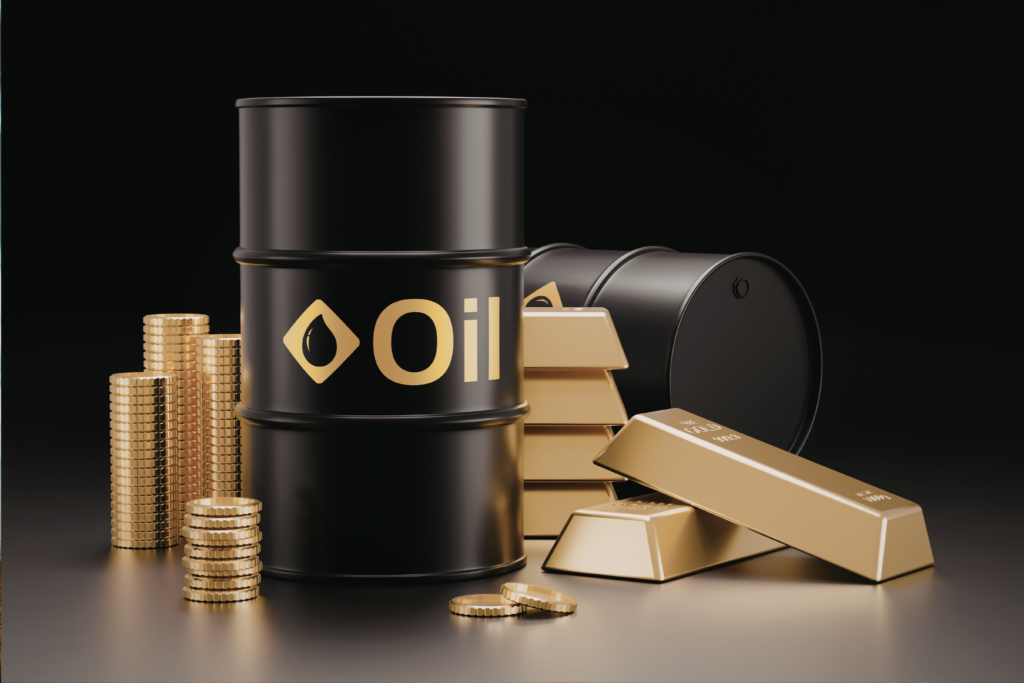
At the same time, oil prices have surged more than 3% amid fears that tensions involving Iran and the wider Middle East could affect global oil supply routes, especially around the Strait of Hormuz, one of the world’s most critical oil transit points. Any disruption in this region immediately impacts global energy prices, transportation costs, airline operations, manufacturing expenses, and inflation levels worldwide.
The after-effects of these commodity swings are already being felt across markets. Stock markets have become more volatile as investors react to uncertainty surrounding inflation and energy costs. Rising oil prices generally increase fuel and logistics costs for businesses, which can eventually make products and services more expensive for consumers. Airlines, shipping companies, and manufacturing industries are usually among the first sectors to feel the pressure when oil prices rise sharply.
CONTD……..
For ordinary people, the impact can be even more direct. Higher oil prices often lead to increased transportation costs, more expensive groceries, and rising utility bills. In many countries, inflation was already a major concern, and another spike in energy prices could put additional pressure on household budgets. Central banks may also hesitate to reduce interest rates if inflation remains high, which could slow borrowing, investments, and economic growth.
Meanwhile, the fall in gold prices has created mixed reactions among investors. Some see the decline as a temporary correction after gold touched record highs earlier this year, while others believe the market is adjusting to a new financial reality where interest rates and currency strength matter more than geopolitical fears alone. Despite the recent decline, many analysts still believe gold could regain strength if global uncertainty continues or if inflation rises further.
What makes the current situation unusual is that oil and gold are moving in opposite directions at the same time. Historically, during major global tensions, both commodities often rise together. This divergence is creating confusion among traders and signals that global markets are entering a more unpredictable phase. Investors are now closely watching central bank policies, Middle East developments, and economic data for clues about where markets may head next.
For businesses, governments, and consumers alike, the message is clear that the commodity markets are no longer reacting in predictable ways. The world economy remains highly sensitive to geopolitical developments, inflation pressures, and supply chain risks. Until global tensions ease and markets regain confidence, volatility in gold and oil prices is likely to continue shaping financial markets and economic sentiment worldwide.
–BASED ON RESEARCH AND DATA AVAILABLE ON COMMODITY MARKET
READER’S, ALSO CHECK-