


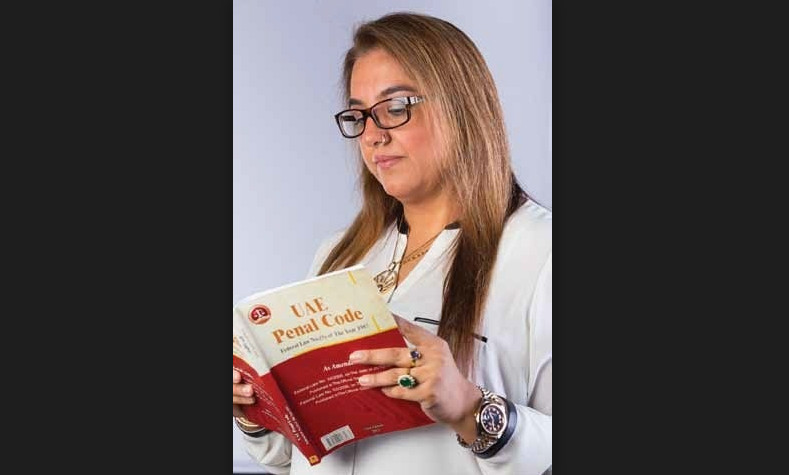
Our Consulting Editor, Advocate Anjana Bhatia D.I is an accomplished Indian Lawyer practicing in India and the UAE. She has over 25 years of experience in Law – Litigation, Corporate, Civil, Criminal, Mediation as well as registered with DIFC Wills and Probate Registry. She provides legal solutions to clients globally with strategic results.
When preparing a Will, most parents focus on the distribution of assets, but one of the most important decisions they can make is determining who will care for their children if they are no longer around. For families with children under the age of 18, ‘Guardianship Planning‘ is a critical yet often overlooked aspect of estate planning. From appointing temporary and permanent guardians to ensuring a child’s welfare, stability, and continuity of care, the right provisions can provide invaluable peace of mind.
In this Exclusive interview with EmiratesReporter.com, Advocate Anjana Bhatia D.I explains the key aspects of guardianship in Wills, common misconceptions parents have, and the practical steps families, particularly expatriates in the UAE, should take to safeguard their children’s future.
E.R- What is the role of guardianship in a Will and why it is such a critical component for parents of children under the age of 18?
ADV. ANJANA– When preparing a Will, many parents focus on the distribution of assets but overlook an equally important aspect: the guardianship of their minor children. A guardianship provision enables parents to nominate trusted individuals who will care for their children in the event of both parents’ death. During their lifetime, parents naturally remain responsible for the care and welfare of their children. Under the DIFC Wills framework, parents may appoint Temporary (Interim) Guardians and Permanent Guardians for children below the age of 18, subject to the applicable rules and UAE public policy. The purpose of these appointments is to ensure continuity of care, stability, and protection for children in both the immediate and long term.
E.R- From a legal and practical perspective, why do Wills often distinguish between Permanent Guardians and Temporary (Interim) Guardians for minor children?
ADV. ANJANA– A Permanent Guardian is the person nominated by the parents to take long-term responsibility for the child’s upbringing, welfare, education, and overall care. A Temporary (or Interim) Guardian is appointed to provide immediate care and supervision until the Permanent Guardian is appointed. This distinction is particularly important where the Permanent Guardian resides outside the UAE, as the Temporary Guardian can ensure the child is cared for without interruption while the necessary arrangements are being made. The purpose of appointing both is to provide continuity, stability, and protection for the child in both the immediate and long-term future.
E.R- Why is it advisable to appoint a Temporary Guardian if a Permanent Guardian has already been chosen?
ADV. ANJANA– In many expatriate families, the preferred Permanent Guardian may reside outside the UAE. If an unexpected event occurs, there may be a practical delay before that person can travel to the UAE and complete the necessary arrangements. During this interim period, a Temporary Guardian who is based in the UAE can provide immediate care and stability for the child. This ensures that the child remains in a familiar and supportive environment while longer-term arrangements are being implemented.
E.R- Why is it important for parents to appoint an alternate guardian in addition to their primary choice of Permanent Guardian?
ADV. ANJANA– Appointing an alternate guardian is an important safeguard in any guardianship plan. While parents may have complete confidence in their primary choice, circumstances can change over time due to health issues, relocation, personal commitments, or other unforeseen events. By naming an alternate guardian, parents can ensure that there is a clear contingency plan in place, helping to provide continuity of care and certainty regarding the child’s future should the primary guardian be unable to act. This additional layer of planning helps ensure that the parents’ wishes can still be carried out in the best interests of the child.
E.R- What are the key factors parents should consider when choosing a guardian for their minor children?
ADV. ANJANA– The primary consideration should always be the best interests of the child. Parents should carefully evaluate whether the proposed guardian shares their values, has a strong relationship with the child, is willing and capable of accepting the responsibility, and can provide a stable and supportive environment. Practical factors such as the guardian’s family circumstances, location, emotional maturity, and ability to meet the child’s long-term needs should also be considered. Equally important is having a discussion with the proposed guardian in advance to ensure they are comfortable with the role and understand the responsibilities involved.
E.R- What is the most common misconception parents have regarding guardianship provisions in a Will?
ADV. ANJANA– One common misconception is that guardianship appointments are only relevant for wealthy families or those with significant assets. In reality, guardianship planning is important for any parent of minor children. Another misconception is that simply having a verbal understanding with relatives or friends is sufficient. While family discussions are important, formally documenting guardianship wishes in a properly prepared Will can provide much greater clarity and reduce the likelihood of disputes or uncertainty in the future.
E.R- For expatriate families living in the UAE, what practical advice would you give regarding guardianship planning?
ADV. ANJANA– Parents should review their family circumstances carefully and consider both immediate and long-term care arrangements for their children. Where the intended Permanent Guardian resides overseas, it is often sensible to consider a trusted Temporary Guardian who is available within the UAE. Parents should also periodically review their Will to ensure that their chosen guardians remain willing and able to undertake the responsibility. Guardianship planning should not be viewed as preparing for the worst; rather, it is a responsible step towards protecting the welfare and future stability of one’s children.
“The above is a general overview; outcomes differ from case to case and are subject to the discretion of the concerned authorities.”
ADVOCATE ANJANA BHATIA D.I CAN BE CONTACTED AT-
Mobile: +971505944896
Website: www.ajureadvocates.com
Email- anjana@ajureadvocates.com, editor@emiratesreporter.com