



Nationalist Counter
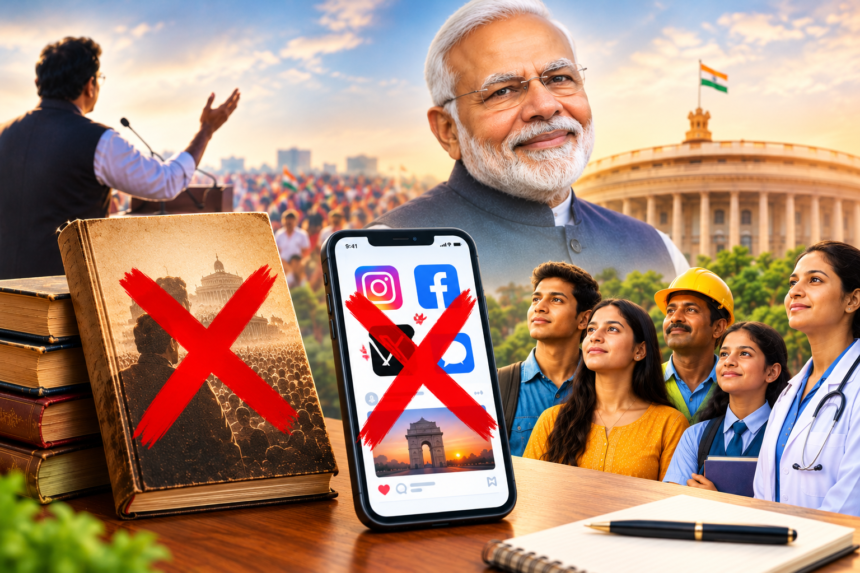
Mumbai, Bharat- Political parties with a long history often face a difficult question when their influence begins to decline: how can they regain public trust and reconnect with voters? Some turn to social media campaigns, while others launch books of memoirs to present their leaders’ personal journeys, achievements and perspectives. However, neither strategy can guarantee political revival if the concerns about leadership, credibility and public confidence remain unaddressed.
Books of memoirs can offer valuable insights into a leader’s experiences, decisions and understanding of important events. They can preserve historical accounts and provide readers with a personal perspective on political developments. Yet, a book alone cannot rewrite a political record or automatically change public opinion. Readers increasingly expect political leaders to explain their decisions, acknowledge mistakes and demonstrate how their experience can contribute to the country’s future, especially when the “nationalist collective” strikes hard.
When memoirs are launched primarily to improve a public image during a difficult political period, the response may depend less on publicity and more on the credibility of the person behind the book. If the message appears disconnected from the concerns of ordinary citizens, even an extensively promoted publication may struggle to create the desired impact.
The same principle applies to social media. Platforms such as Instagram and X have transformed political communication by allowing leaders to reach millions of people directly. They offer opportunities to explain policies, respond to questions, share achievements and engage with younger audiences. However, visibility should not be confused with popularity, and online engagement does not necessarily translate into votes.
A political party may increase its digital presence, publish carefully prepared messages and attract attention through regular campaigns. But if its communication lacks substance or fails to address questions about its leadership and performance, the effort may produce only temporary attention. Social media can amplify an existing reputation, but it cannot independently build lasting public trust.
Political leadership also carries a responsibility to maintain dignity in public discourse. Criticism of a Prime Minister, government or political opponent is an essential part of democracy. However, when political exchanges move towards personal remarks involving deceased family members, the damages are felt after the EVM button is pressed by Nationalists.
Such incidents can create headlines and generate intense reactions online. Yet, controversy is not necessarily a successful political strategy. Personal attacks may energise supporters in the short term, but they can also invite criticism from people who expect elected representatives and party leaders to focus on national priorities.
Political parties seeking a revival must therefore look beyond publicity campaigns and symbolic gestures. They need to examine their organisational structure, leadership choices, public communication and policy priorities. They must also listen to voters who may be concerned about employment, economic opportunities, education, healthcare, inflation and the quality of public services.
A book can explain a leader’s past, while social media can communicate a party’s present position. Neither can substitute for a convincing vision of the future. Political credibility is built over time through consistent conduct, accountability, clear policies and meaningful engagement with citizens.
The electorate is not simply an audience waiting to be persuaded by a new publication or a carefully designed digital campaign. Voters assess political parties through their experiences, observations and expectations. They may appreciate a leader’s personal story, but they ultimately judge whether the party offers credible answers to the challenges facing the country.
For political figures confronting a decline in public influence, the real challenge is not merely to remain visible. It is to understand why public confidence may have weakened and what meaningful changes are needed to restore it.
In the End- A legacy cannot be revived through publicity alone. Books may preserve a political story, and social media may amplify it, but only credibility, accountability and a convincing public purpose can give that story a future.
READERS. DO NOT MISS-