



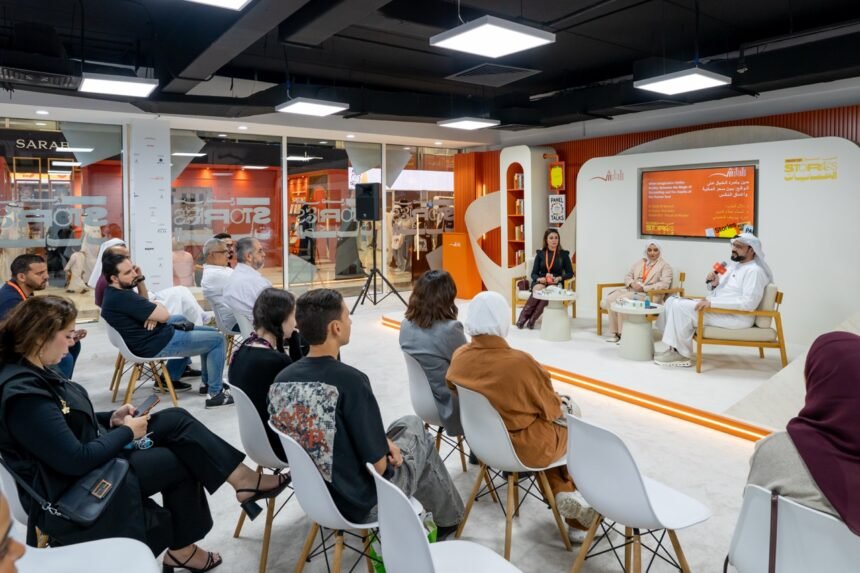
SHARJAH, UAE- Must writers experience the emotions they portray, or can imagination create equally convincing fictional worlds? This question was among those explored at the 45th Sharjah International Book Fair (SIBF 2026), where literary scholars Dr Asma’ Ala’addin and Dr Dalal Al-Baroud examined how personal experiences, human emotions and creative imagination shape storytelling.
Moderated by Yousef Al-Nuaimi, the session, ‘When Imagination Defies Reality: Between the Magic of Storytelling and the Depths of the Human Soul’, explored the relationship between writers and their fictional characters, and how literature allows readers to experience perspectives beyond their own.
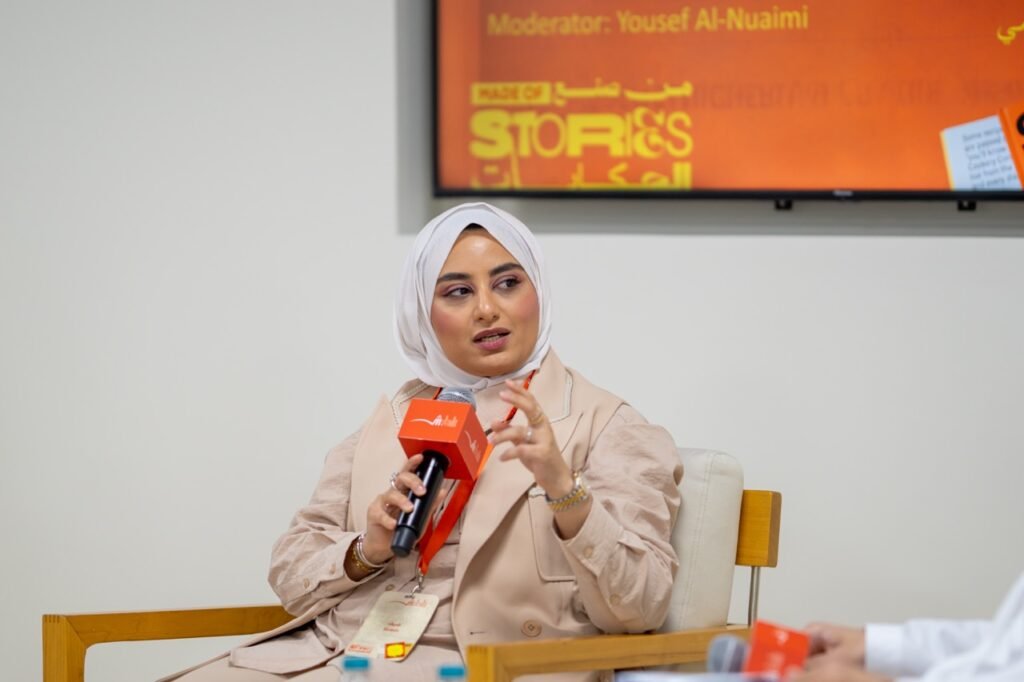
Dr Dalal Saleh Fahad Abdulrahman Abdulaziz Al Baroud
Fiction rooted in reality
Dr Al-Baroud highlighted literature’s ability to reflect human emotions, explaining that fiction often draws on real experiences and observations that writers transform through imagination.
“Literature reflects people’s emotions,” she said, emphasising that imagination and lived experience are not mutually exclusive.
Dr Ala’addin explored the concept of narrative identity, arguing that every writer develops a distinctive voice through the characters and perspectives they create.
“Any writer has a narrative identity that sets them apart from others and from themselves,” she said.
She also challenged the idea that fiction is primarily an escape from reality, describing writing instead as a creative response to the world.
When characters take on lives of their own
Turning to character development, Dr Ala’addin questioned the assumption that writers exercise complete control over their fictional creations.
She argued that characters should not simply become substitutes for their authors or serve as vehicles for expressing thoughts they cannot share personally. Creating believable characters also requires writers to establish the experiences and knowledge that explain their actions within a story.
The discussion highlighted the distinction between a writer’s personal identity and the independent fictional identities of the characters they create.
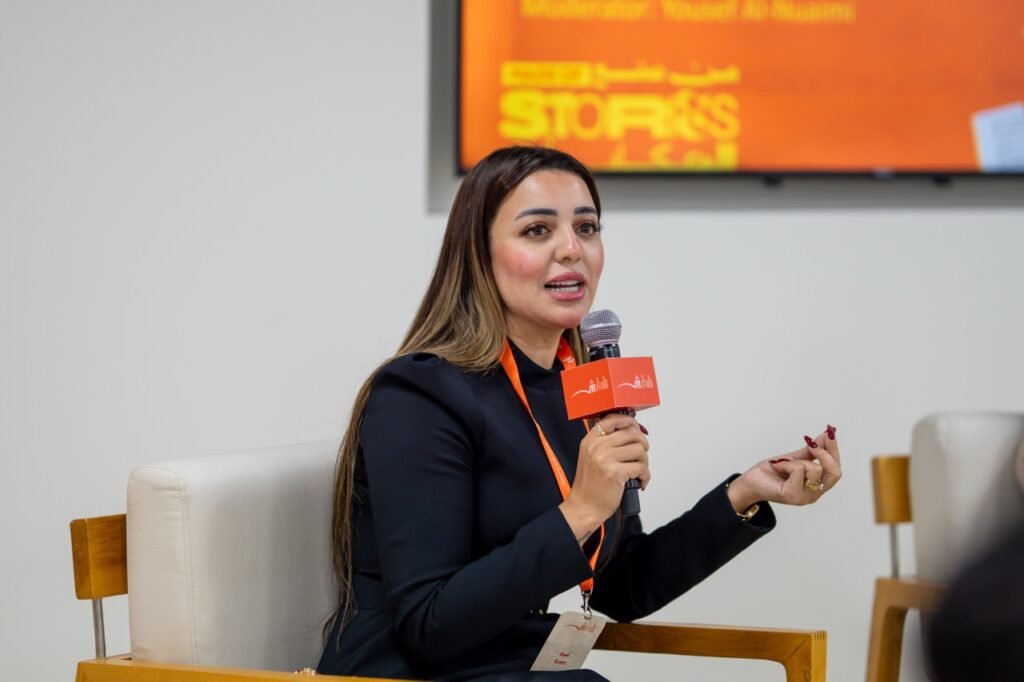
Dr. Asma’ ‘Ala’addin
Must writers experience what they write?
Dr Al-Baroud challenged the belief that suffering is essential to literary creativity. Although personal experiences can deepen a writer’s understanding of human emotions, she argued that observation, empathy and imagination can be equally important.
“Pain is not necessarily the only source of creativity,” she said.
Reflecting on the relationship between writers and their work, she added: “The writer cannot avoid leaving some pieces of their soul in the work.”
However, she cautioned against treating literary works as definitive portraits of their authors. Writers change over time, and their work may reflect emotions, perspectives or social circumstances from a particular period of their lives.
When fiction becomes an emotional experience
The speakers also examined how storytelling allows readers to become emotionally immersed in imagined worlds, experiencing unfamiliar perspectives and developing connections with fictional characters.
They reflected on literature’s continuing importance in a fast-paced world, highlighting its ability to create space for contemplation and deeper engagement with human experience.
The discussion underscored how imagination and reality work together in literature, allowing writers to explore complex emotions and helping readers understand themselves and others through stories.
Organised by the Sharjah Book Authority, the 45th Sharjah International Book Fair (SIBF 2026) runs from November 4 to 15 at Expo Centre Sharjah under the theme ‘Made of Stories’, with the Sultanate of Oman as Guest of Honour. The fair brings together 3,212 publishers and exhibitors from 126 countries, showcasing more than 1.7 million titles. Its programme features 1,500 cultural, creative and artistic events, with 106 guests from 25 countries.