



Dubai, UAE- Much of the global conversation around artificial intelligence still centers on one fear of job displacement. Inside the UAE’s hiring ecosystem, however, the reality looks very different. The transformation underway is not about replacing people; it is about redefining how talent is identified, evaluated, and empowered.
“As we move into 2026, the UAE job market is less about disruption and more about alignment. Automation is reshaping hiring processes, increasing speed, consistency, and objectivity while allowing organizations to focus on what ultimately matters most, human capability,” said Nisha Nair, Recruitment Manager at Innovations Group. “The story is not machines versus people; it is machines enabling people to perform at a higher level.”

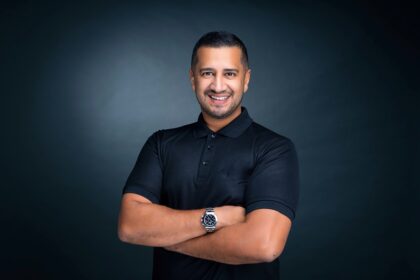
Nisha Nair, Recruitment Manager at Innovations Group
According to Nair, this shift reflects a broader recalibration in how employers approach growth. Post-pandemic hiring strategies are no longer a reactive expansion. Organizations are building teams intentionally, prioritizing roles that directly influence productivity, resilience, and long-term competitiveness. “Demand remains strong across sectors aligned with national priorities – technology, infrastructure, healthcare, finance, logistics, and energy but expectations of talent have evolved,” said Nair.
Technical expertise is essential, yet employers increasingly value adaptability, commercial awareness, and the ability to perform under constant change. Hiring decisions now focus as much on growth potential as present capability, reinforcing that agility has become a defining trait of employability.
Within this environment, AI’s most practical role is managing scale. “A single vacancy can attract hundreds of applications, creating administrative pressure that risks overlooking qualified candidates,’’ noted Nair.
She explained, “AI-driven screening introduces structure, filtering applications based on skills and relevance while ensuring consistent evaluation. This improves fairness and efficiency, but automation operates within clear limits. It accelerates shortlisting without replacing human judgment. Human interpretation remains central, particularly in a multicultural market like the UAE.”
Nair emphasized that communication style, cultural alignment, and leadership potential require context that technology alone cannot provide. Recruiters continue to shape final decisions, balancing digital precision with human insight to ensure hiring remains both efficient and meaningful.
This growing reliance on digital tools has also made recruitment more structured. Applicant tracking systems, online assessments, and video interviews are now standard components of early evaluation. For candidates, this demands a higher level of digital professionalism. CV clarity, relevance, and measurable achievements carry greater weight because hiring systems are designed to reward precision. Yet digitization has not removed the human dimension; it has simply created a more disciplined framework for identifying real capability.
What ultimately differentiates candidates in this environment is not technical fluency alone. “While skills in automation awareness, data literacy, cybersecurity, and cloud platforms remain valuable, employers place equal emphasis on problem-solving, communication, and adaptability. Learning agility, the willingness to continuously evolve, signals long-term value in an economy shaped by rapid innovation,’’ highlighted Nair.
Nair warned that despite these advances, familiar candidate challenges persist. Generic applications, vague descriptions of impact, and insufficient preparation continue to undermine otherwise capable professionals. In a competitive market, relevance, clarity, and interpersonal strength remain decisive advantages.
The broader narrative that automation diminishes human relevance overlooks a critical truth: as routine tasks become digitized, the value of human judgment increases. AI acts as a productivity multiplier, freeing professionals to focus on innovation, collaboration, and complex decision-making. Employers are not seeking people who compete with technology, but those who know how to leverage it.
Nair concludes, “Artificial intelligence is not closing doors in the UAE job market. It is redefining how we open them and for those prepared to adapt, the future of work remains firmly centered on human potential.’’
Source: Media Release | Expert Opinion for Readers of EmiratesReporter.com