


By Rajni Rani, Chief Editor
The New Classroom Reality: Protecting Children in a Screen-Driven World
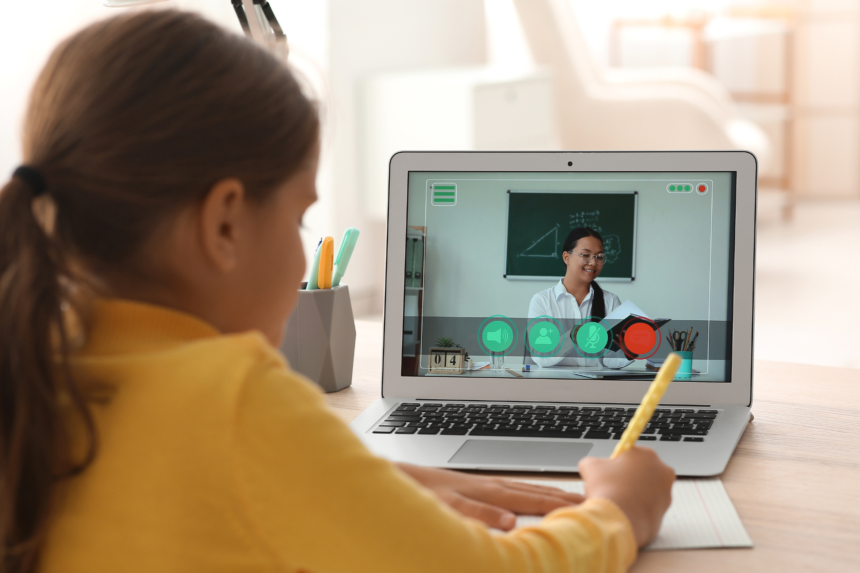
Dubai, UAE- As online learning continues to shape the daily routine of families across the UAE, parents are increasingly stepping into a more active role in supporting not just their child’s education, but also their overall well-being. While digital classrooms offer flexibility and safety, they also bring new challenges especially when it comes to maintaining children’s mental and physical health in a home environment that now doubles as a school.
One of the most important steps parents can take is to create a structured daily routine. Children thrive on consistency, and having fixed times for waking up, attending online classes, meals, play, and sleep can help them feel more secure and focused.
Unlike traditional classrooms where discipline is built into the system, home learning requires gentle but firm guidance to maintain balance.
Mental health is equally critical. Online learning can sometimes feel isolating, as children miss out on face-to-face interaction with friends and teachers. Parents should make time to talk openly with their children, encouraging them to share their feelings, frustrations, or even boredom. Simple activities like family games, storytelling, or short outdoor walks (where possible) can significantly lift a child’s mood and reduce stress.
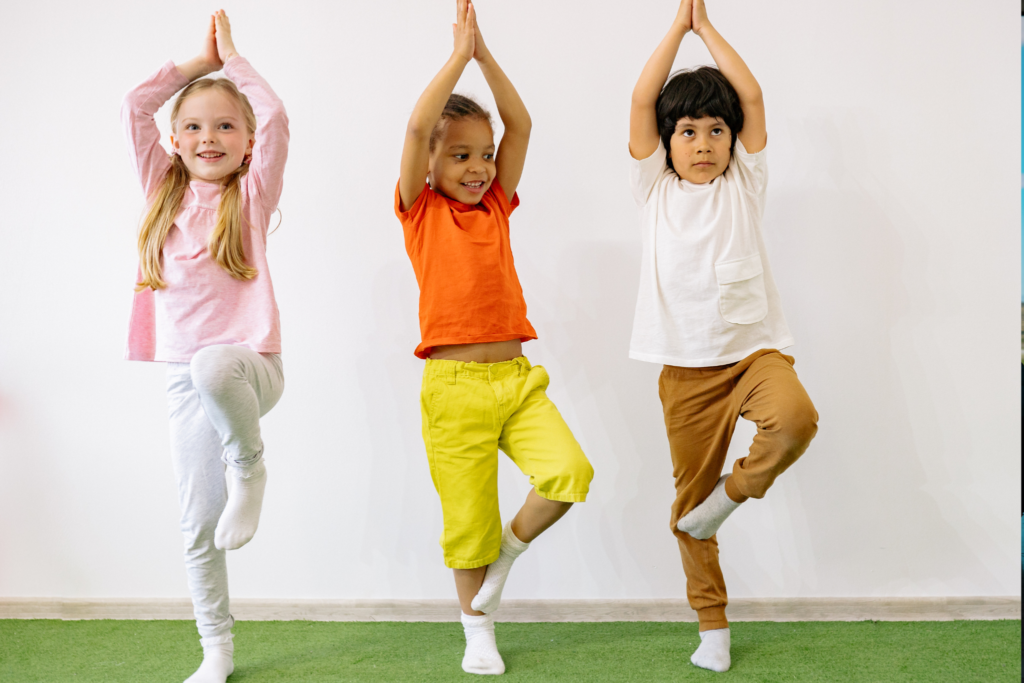
Physical health should not be overlooked. Long hours in front of screens can lead to fatigue, poor posture, and reduced physical activity. It is essential to ensure that children take regular breaks between sessions, ideally a 5–10 minute break after every 30–45 minutes of screen time. During these breaks, encourage stretching, light movement, or simply stepping away from the device to relax the mind and body.
Eye care is another growing concern. As per research, Parents can follow the 20-20-20 rule every 20 minutes, children should look at something 20 feet away for at least 20 seconds. Proper lighting, reducing screen brightness, and maintaining a safe distance from devices can also help prevent eye strain.
Nutrition plays a vital role in keeping children energized and focused. A balanced diet including fresh fruits, vegetables, whole grains, dairy, and protein-rich foods is essential. Foods rich in omega-3 fatty acids (like nuts and seeds), along with plenty of water, can support brain function and overall health. Avoiding excessive sugary snacks and processed foods can help maintain stable energy levels throughout the day.
Parents, Please Note: 5 important things children often miss when they are doing online classes from home during difficult times like war:
–Real Friendships & Social Life
–Emotional Support from Teachers
–A Sense of Normal Routine
–Physical Activity & Playtime
–Separation Between Home and School Life (children lose the balance between “study time” and “relax time,” which can lead to stress.)
Keeping children happy and emotionally strong requires a mix of encouragement, flexibility, and understanding. Not every day will go perfectly, and that’s okay. Celebrating small achievements, allowing creative time, and reducing pressure can make a big difference in how children adapt to this new learning style.
The difference between traditional classroom learning and home-based online education is significant. In classrooms, children benefit from social interaction, structured discipline, and a clear separation between study and home life. At home, these boundaries often blur, which can affect focus and motivation. However, this gap can be improved by setting up a dedicated study space, minimizing distractions, and maintaining regular communication with teachers to stay aligned with academic goals.
Ultimately, online learning is not just about academics, it is about adapting to a new way of living and learning. With the right balance of structure, care, and support, parents can ensure their children remain healthy, happy, and resilient during this phase.
Disclaimer: This article reflects the editor’s opinion and general observations/research. It is not written by a medical or mental health professional. Readers are advised to use their own judgment/wisdom and consult qualified experts for specific medical or psychological concerns.