




By Amit Kakkar, Managing Editor, EmiratesReporter.com
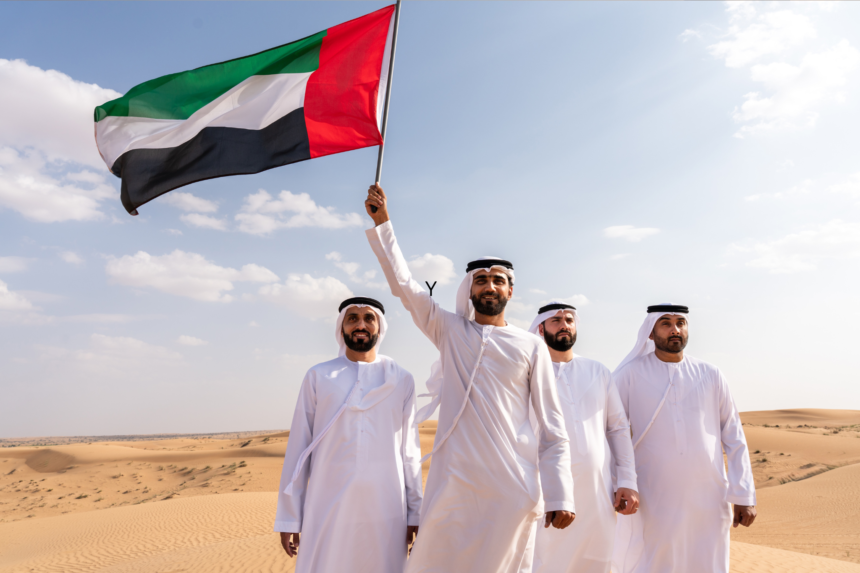
Dubai, UAE- The UAE is sending a strong message to social media influencers, advertisers and expatriates: respect the country’s national identity and cultural symbols. In recent months, authorities have increased scrutiny on the misuse of the Emirati national dress — especially the Kandura and Ghutra — in advertisements, promotional videos and social media content created by non-Emiratis.
The discussion gained momentum after growing concerns that some content creators and influencers were using Emirati attire to impersonate citizens, gain public trust, attract investors or create misleading promotional material online. Many videos circulating on social media showed non-Emiratis dressed in kanduras while speaking in exaggerated dialects or portraying stereotypes that many Emiratis considered disrespectful and offensive. Authorities and members of the public argued that such content damages the dignity of the national dress and misrepresents Emirati identity.
Importantly, the issue is not about banning foreigners from wearing the kandura in daily life. Across the UAE, expatriates often wear traditional Emirati clothing during Ramadan, cultural events, weddings or at workplaces, and this has generally been accepted as a sign of cultural appreciation and respect. The concern specifically relates to commercial advertisements, influencer promotions and social media content where non-Emiratis appear to present themselves as Emiratis for marketing or branding purposes.
The UAE’s broader media regulations already place heavy importance on protecting national identity and respecting cultural values. According to the National Media Authority media content standards, advertising and media content must respect the culture, identity and values of the UAE and avoid content that harms social cohesion or offends society.
At the same time, the UAE has introduced stricter controls over digital advertising/content through the mandatory Advertiser Permit system, which became effective in 2026. Under the updated rules issued by the UAE Media Council, anyone creating promotional content online, whether paid or unpaid, must obtain official permission to publish advertisements on social media and digital platforms. The rules apply to residents, visitors and influencers alike. Violations can lead to major penalties, including fines reaching up to Dh1 million.
Authorities say these measures are designed to create a more transparent, professional and trustworthy digital media environment while protecting Emirati culture from misuse. Officials have repeatedly stressed that national attire is not simply clothing; it represents heritage, identity and social values deeply connected to the UAE’s history.
For expatriates living in the UAE, the message is becoming increasingly clear: cultural appreciation is welcome, but cultural impersonation for publicity or commercial gain is not. Social media creators and advertisers are now expected to exercise greater sensitivity when using Emirati symbols, dialects or traditional dress in content creation.
The UAE has built its global reputation on tolerance, coexistence and respect between cultures. However, that openness also comes with responsibility. In a rapidly expanding digital world where viral content spreads instantly, authorities appear determined to ensure that the nation’s traditions and identity are not reduced to entertainment, stereotypes or marketing tools.