



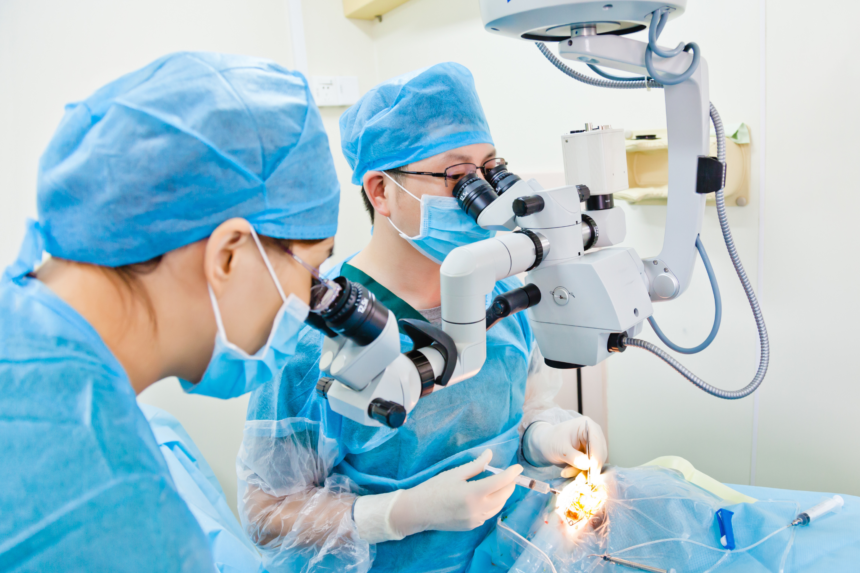
Humans Working with Increasingly Intelligent Machines. The Future of Medicine Is Already Being Tested.

By Amit Kakkar, Managing Editor, EmiratesReporter.com
Dubai, UAE- The future of medicine may be arriving sooner than many of us expected. Artificial intelligence is no longer limited to computers, chatbots or data analysis. It is now becoming part of the medical world as well, including the operation theatres. From helping doctors study medical images to supporting surgical planning and guiding robotic instruments, AI is becoming an important tool in modern healthcare. The question is no longer whether technology will enter the operation theatre. It already has. The more interesting question is how far it can go in helping doctors, benefiting humanity and improving healthcare services.
“It is important to distinguish between robotic-assisted surgery and fully autonomous AI-led surgery. Today, most robotic surgical systems are designed to assist surgeons, who remain responsible for clinical decisions and the procedure.”
Robotic-assisted surgery is already being used for several types of procedures. However, it is important to understand what it actually means. In most systems currently used in clinical practice, the robot does not independently decide what to do. The surgeon remains in control and uses a computer system to guide robotic instruments. These systems can provide a magnified, high definition, 3D view and allow very precise movements in small spaces.
This is where AI can make the next big difference in future. AI can process large amounts of medical information quickly, help doctors identify patterns in scans and images, support planning and assist with highly detailed tasks.
The progress is also visible in surgery. Major medical centers worldwide are using robotic technology across areas. Recent developments are making these systems more precise and more flexible. In some procedures, robotic technology may help surgeons perform minimally invasive surgery, which can involve smaller incisions and, depending on the procedure and patient, may be associated with less blood loss and faster recovery.(Medical outcomes depend on the procedure, patient and technology)
“For me, the most exciting part of this development is not the idea of a machine replacing a doctor. It is the possibility of a doctor becoming much more capable with the help of intelligent technology. A surgeon brings years of education, experience, judgement and human understanding. AI and robotics can bring speed, precision, data processing and technological assistance. Together, these strengths could create a powerful model for the future of healthcare.“
The operation theatre of tomorrow may therefore look very different from the one we know today. Surgeons could work with increasingly intelligent systems that help them plan procedures, navigate complex anatomy, monitor important information and perform extremely precise movements. The technology may become smarter, but the human role will remain central.
The real promise of AI in surgery is not about choosing between humans and machines. It is about bringing the strengths of both together. As technology continues to develop and medical regulators continue to evaluate AI enabled devices for safety and effectiveness, the future of surgery could become more precise, more personalized and more efficient.
The future, then, may not be a machine sitting alone in an operation theatre. It may be a highly skilled surgeon working alongside an increasingly intelligent technological partner. And that future is already beginning to take shape.
Disclaimer: This article is an editorial/opinion piece intended for general informational purposes only. It does not constitute medical advice, diagnosis, treatment guidance or a recommendation to choose or avoid any medical procedure or technology. References to artificial intelligence, robotic surgery and medical technologies are based on publicly available information and are intended to provide general context. Medical technologies, regulatory approvals and clinical practices may change over time. Patients should consult qualified healthcare professionals for advice regarding their individual medical conditions and treatment options. No representation is made that any technology discussed is suitable, approved or available for every patient or procedure.











Well said .. AI in surgery is not about choosing between humans and machines. It is about bringing the strengths of both together.
Thank You Doctor.