


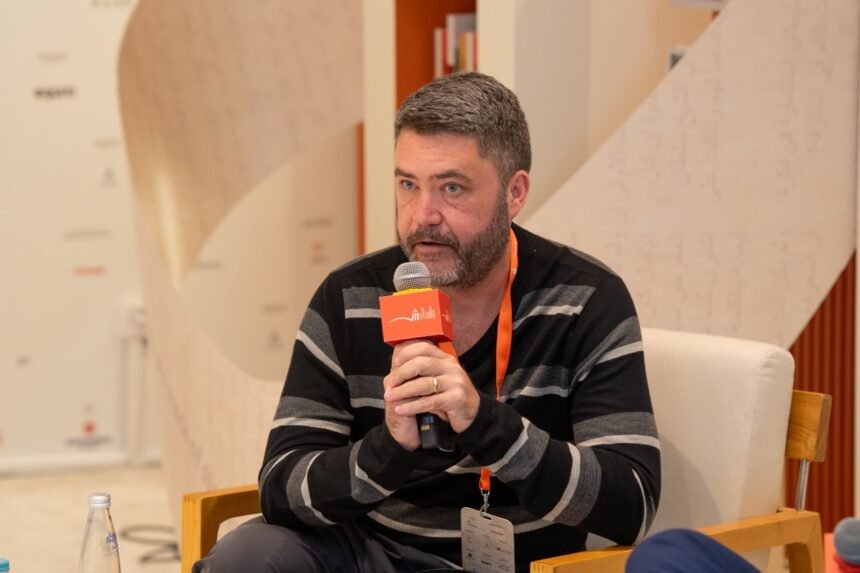
SHARJAH, UAE- Should humanity fear artificial intelligence, or is it simply the latest technological advancement reshaping how people work, think and create? This question, posed by moderator Layla El-Wafi, set the stage for a discussion at the 45th Sharjah International Book Fair (SIBF 2026), featuring Egyptian novelist and translator Dr Howaida Saleh, academic and author Professor Nirmal Chhabria, and Brian McCullough, author and host of the Internet History Podcast.
The speakers examined whether AI represents an unprecedented transformation or another chapter in humanity’s technological evolution, exploring its implications for creativity, human responsibility and intellectual ownership.
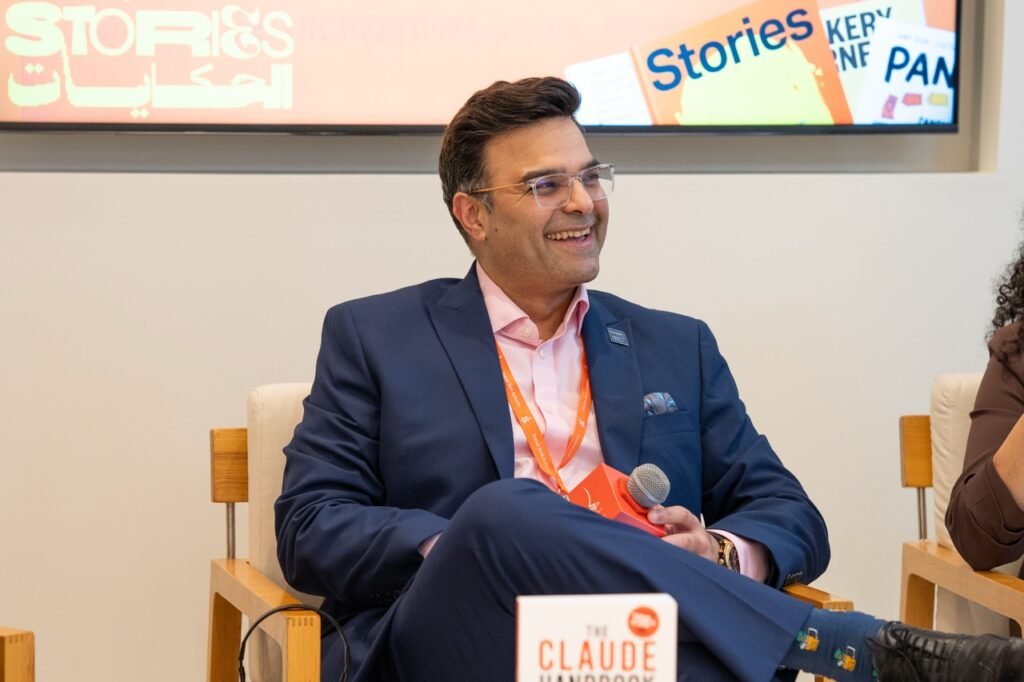
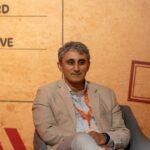
Nirmal Chhabria
Chhabria argued that apprehension should give way to awareness and informed engagement. “We should not be scared, but we should be alert,” he said. “The important thing is to understand how to use it better.”
McCullough placed AI within the broader history of technological innovation, arguing that its impact depends largely on how people use it. “AI is just the latest tool. It is not inherently bad. It depends on who is using it,” he said.
Drawing parallels with the introduction of computers, he recalled how earlier technologies were also met with anxiety before becoming widely used to simplify work and improve productivity. Chhabria agreed, noting that computers were initially feared for their potential to replace people but eventually became tools that made many tasks easier.
Dr Saleh offered a more cautious perspective, questioning how far AI capabilities might advance and whether humans would always be able to understand them.
“What is frightening is not necessarily what AI can do today, but what it might become in the coming years,” she said.
She also raised the possibility of machines developing their own forms of communication, questioning whether increasingly complex systems might eventually operate in ways that are difficult for humans to interpret.
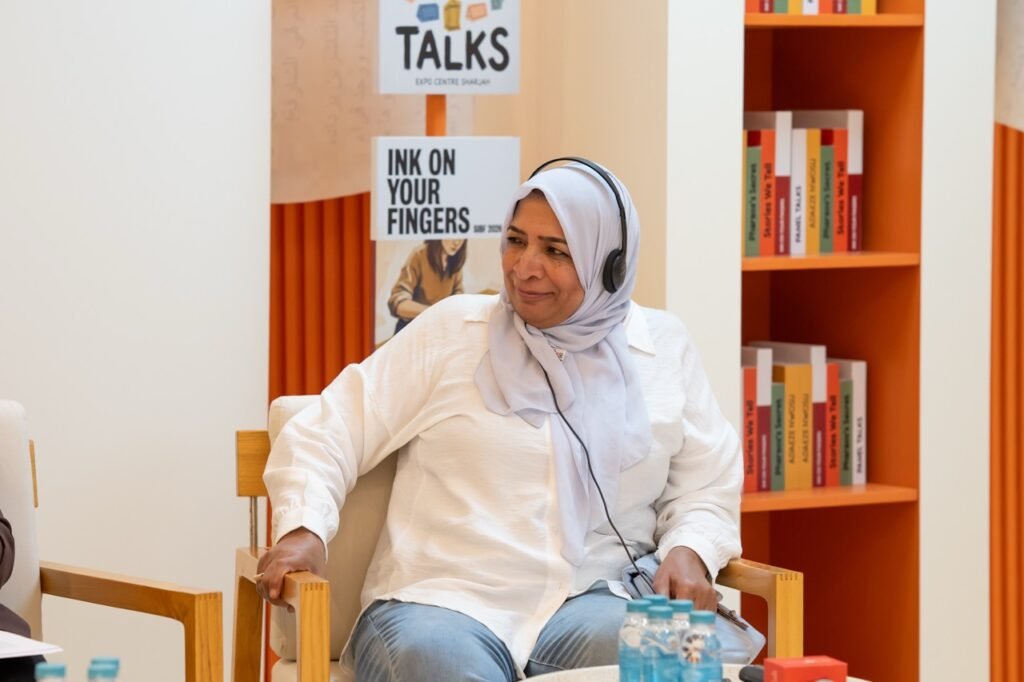
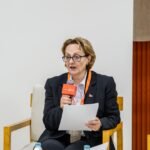
Dr. Howaida Saleh
Keeping technology aligned with human interests
The discussion turned to AI alignment and the challenge of ensuring that increasingly capable systems remain responsive to human intentions and objectives.
“If AI is creating and training another AI, we need to think seriously about alignment,” Chhabria said.
He stressed that people must remain accountable for how technology is developed and deployed. “Technology does not decide whether it is used for good or bad purposes. That responsibility belongs to us,” he said.
The speakers also considered the UAE’s growing adoption of AI across government, education and business, discussing the importance of balancing technological progress with human expertise, accountability and ethical responsibility.
Protecting creativity and authors’ rights
For Dr Saleh, the implications of AI extend to literature, authorship and intellectual property, particularly the use of existing creative works in developing AI systems.
“As a writer, I cannot ignore the question of where AI gets its material from,” she said. “We may be using these tools without realising that we are also feeding them with the work of writers, raising serious questions about authors’ rights.”
She highlighted concerns about the ownership of creative work, the value of original expression and the future of literary professions as AI-generated content becomes more widespread.
The discussion revealed differing perspectives on the technology’s evolution, but underscored the importance of ensuring that innovation remains guided by human judgement, creativity and responsibility. Whether AI represents a fundamental break from previous technological advances or another stage in their development, the speakers agreed that understanding its implications is essential to shaping how it is used.
Organised by the Sharjah Book Authority, the 45th Sharjah International Book Fair (SIBF 2026) runs from November 4 to 15 at Expo Centre Sharjah under the theme ‘Made of Stories’, with the Sultanate of Oman as Guest of Honour. The fair brings together 3,212 publishers and exhibitors from 126 countries, showcasing more than 1.7 million titles. Its programme features 1,500 cultural, creative and artistic events, with 106 guests from 25 countries.