



By Muna Al Sumaiti, Consulting Editor- Lifestyle, Travel, Fashion & Beauty, EmiratesReporter.com
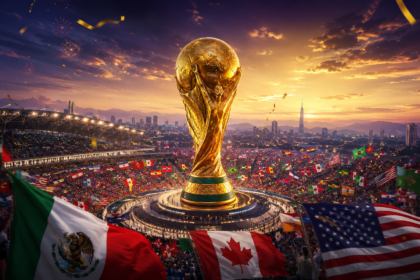
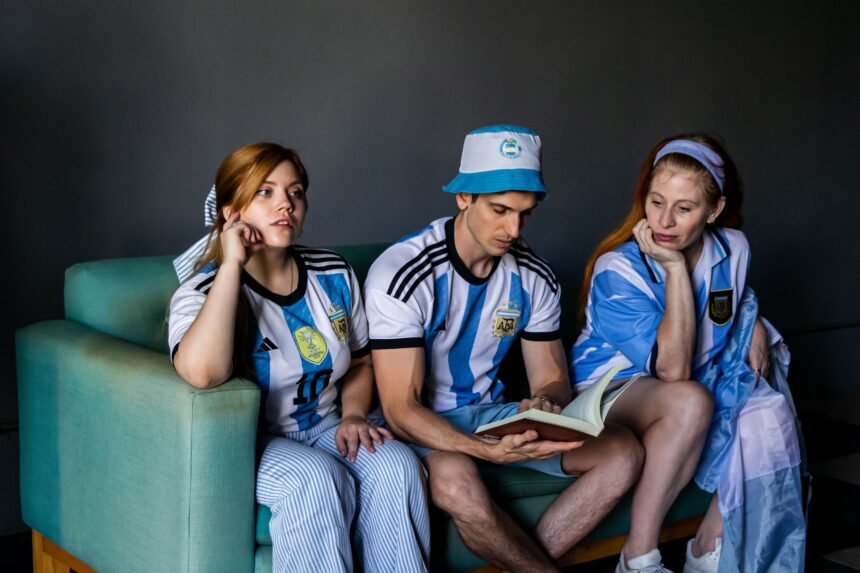
Dubai, UAE- As the FIFA World Cup comes to an end, millions of football fans are returning to their normal routines after weeks of excitement, anticipation, and daily match viewing. Throughout the tournament, football became the center of family conversations, social gatherings, and everyday schedules before the excitement suddenly came to an end.
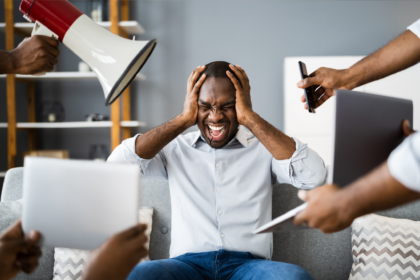
Mental health experts explain that the so-called “Post-World Cup Blues” is not a medically recognized mental disorder but rather a temporary emotional response following the conclusion of a major event that captured people’s attention and emotions for several weeks.
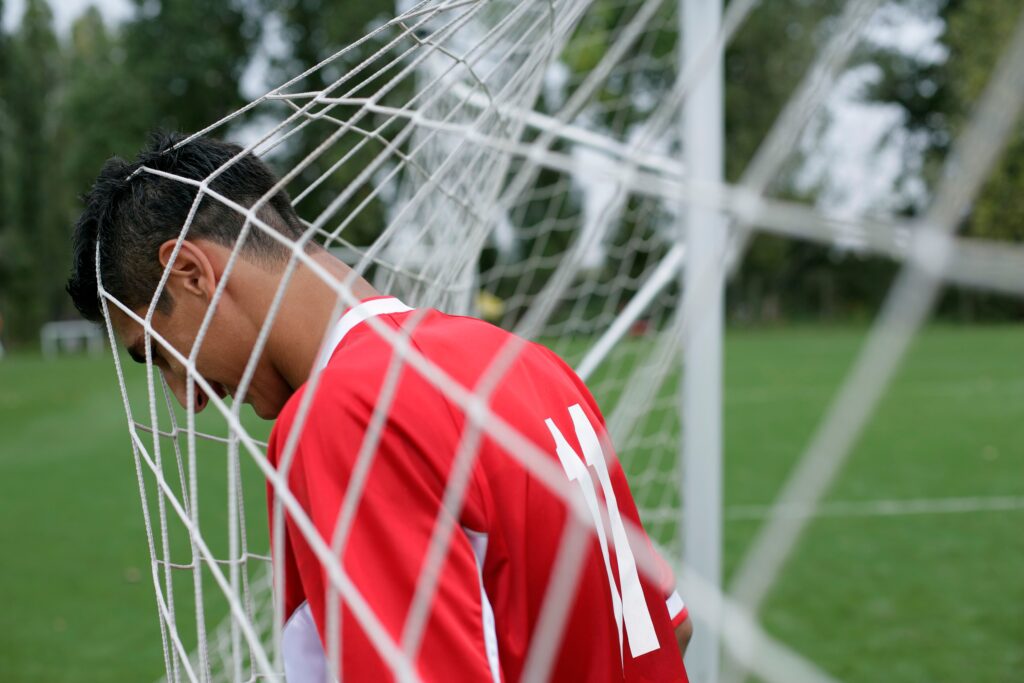
Psychological studies suggest that international tournaments create strong emotional bonds between fans and their favourite teams, making match schedules part of daily life while victories and defeats directly influence mood and emotions.
Neuroscience research also shows that the brain releases dopamine when a favourite team wins, creating feelings of happiness and excitement, while stress hormones increase during tense matches. Once the tournament ends, this emotional stimulation fades, leaving some supporters feeling temporarily unmotivated or emotionally flat.
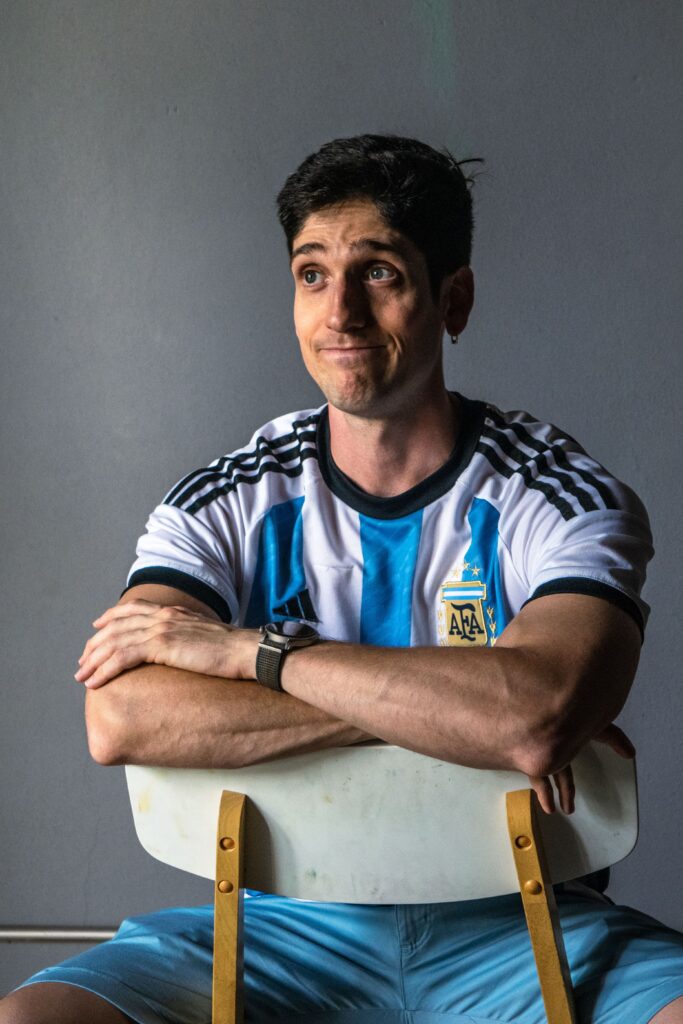
Mohamed Abdullah said this year’s World Cup was more than just a sporting event, describing it as a social occasion that brought families and friends together every day. He noted that while many fans miss those moments after the final match, returning to everyday routines becomes easier with time.
Meanwhile, Ali Al Nahdi said the unusual match schedules, combined with the strong Arab presence in the tournament, made football a central part of daily life. He believes this explains why some supporters experience a sense of emptiness once the competition comes to an end.
Experts stress that these feelings are usually temporary and can be managed by gradually returning to normal daily routines.
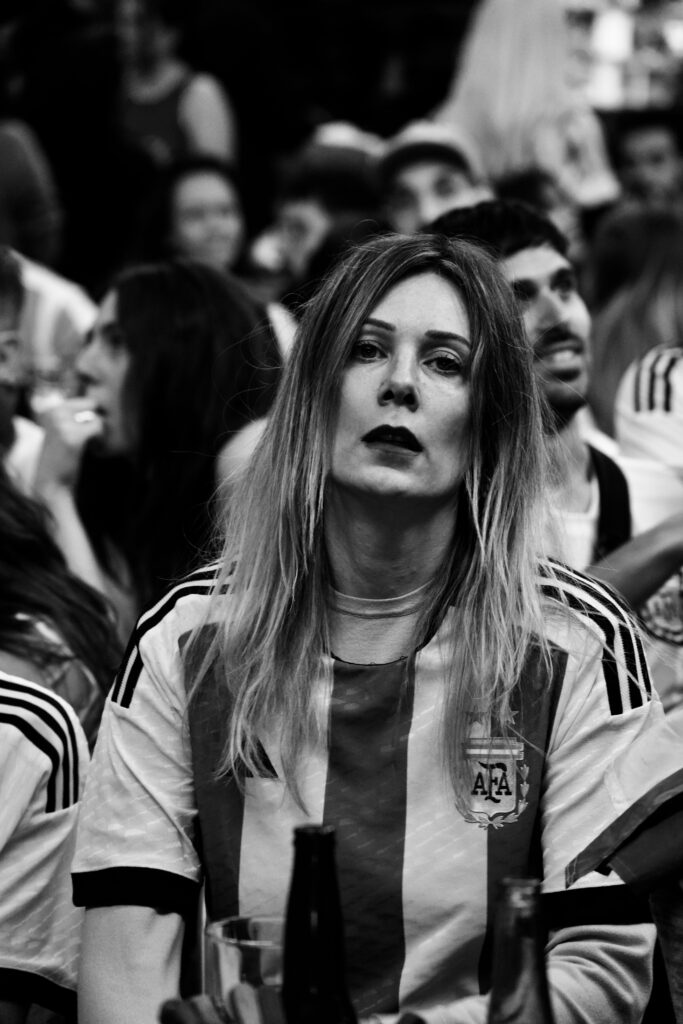
Tips to Overcome the Post-World Cup Blues
- Gradually return to a regular sleep schedule.
- Stay physically active through exercise or daily walks.
- Reconnect with hobbies and activities that were postponed during the tournament.
- Continue spending time with family and friends beyond football.
- Reduce sports-related content gradually and return to everyday routines.
- Set new personal goals or plan enjoyable activities that create fresh motivation.
- Seek professional mental health support if low mood persists for more than two weeks or begins affecting daily life.
Experts conclude that while passion for football brings excitement and a sense of belonging, maintaining a healthy balance between sports and everyday life is the key to enjoying major tournaments without experiencing long-lasting emotional effects afterward.
ABOUT MUNA AL SUMAITI:
With more than 14 years of experience in the UAE media industry, Our Consulting Editor, Muna Al Sumaiti, has worked closely with some of the country’s most recognized media brands, including Dubai TV, Sama Dubai, Dubai One, Al Bayan, Emarat Al Youm, Dubai Radio, Noor Dubai, Emirates 24/7, and Dubai Post. Her extensive background in media, marketing, partnerships, audience engagement, and brand development has made her a respected name in the industry. She is also the Founder of RSV Communications, a UAE-based consultancy specializing in strategic communications, reputation management, and brand growth.