



Over the past decade, the UAE’s hospitality industry has been characterized by rapid expansion: new hotels, resorts and tourism infrastructure proliferated across Dubai, Abu Dhabi, and emerging emirates. But in 2025, a different story is unfolding. The sector is gradually evolving beyond pure expansion, steering toward a more sophisticated, investment-driven paradigm — one where acquisitions, repositioning, brand partnerships, and operational optimization take center stage. This transition marks an important maturation of a market that long rode on the backs of construction and supply growth.
One of the clearest signals of this shift is the performance metrics that underpin investor confidence. According to Knight Frank’s UAE Hospitality Market Review, as of August 2025, revenue per available room (RevPAR) and average daily rate (ADR) across the UAE climbed by 11.9 % year-on-year. Meanwhile, average occupancy leveled up to 78.5 %.

These gains are not isolated to one emirate: Abu Dhabi recorded a staggering 24 % increase in RevPAR and a 20.2 % boost in ADR, while Dubai saw RevPAR advance by 10.1 %.
In Ras Al Khaimah, the trend echoed similarly, reinforcing that growth is broadening beyond the historical powerhouses.
Strong performance is giving confidence to investors who no longer see the sector solely as a frontier for new bricks and mortar. Rather than focusing on greenfield hotel construction, many players are now targeting asset acquisition, repositioning of existing properties, brand upgrades, or mixed-use conversions. In Dubai especially, market watchers note that investor interest is tilting toward selectively buying established properties and applying operational alchemy — rebranding, renovating, or integrating new value drivers — rather than always starting from ground zero.
That shift underscores a more mature capital market in hospitality, where yield, operational efficiency, and brand synergy matter at least as much as sheer supply growth.
Part of what’s enabling this is a deeper and more diverse pool of capital. Not just hotel groups and developers, but institutional investors, sovereign wealth funds, private equity, and family offices are now actively scanning the UAE hospitality landscape for value-add opportunities. These investors tend to emphasize long-term returns, stable cashflows, and strategic assets over speculative plays. As the sector transitions, we see more sophistication in deal structuring, risk assessments, and portfolio strategies.
So while the expansion narrative is not dead, its character is changing. The emphasis is tilting toward quality over quantity, and returns over size. In many senses, the market is moving from a “supply-led frontier” into a phase where capital deployment, operational excellence, brand positioning, and repositioning become the drivers of differentiation.
Another reinforce to this trend is labor and job creation in hospitality. Forecasts suggest that along with room growth, the sector could generate between 11,500 and 34,500 new jobs across the UAE by 2030 — depending on room mix (luxury vs midscale) and staffing intensity. uch job creation potential adds a social and economic return narrative that investors and governments appreciate. In addition, the government’s hospitality advisory frameworks and public-private coordination are contributing to a conducive environment for such investment-led models.
The shift to investment-led strategies also dovetails with changes in consumer preferences and asset types. Sustainable and lifestyle-led developments are gaining traction, with travelers increasingly seeking experiences, wellness, and design-led hospitality rather than vanilla hotel stays.
n turn, hotel owners and investors are looking to reposition or rebrand older assets to tap into these trends — for example, converting parts of a property into branded residences, adding lifestyle suites, or aligning with hospitality brands that emphasize design, wellness, or experiential hospitality.
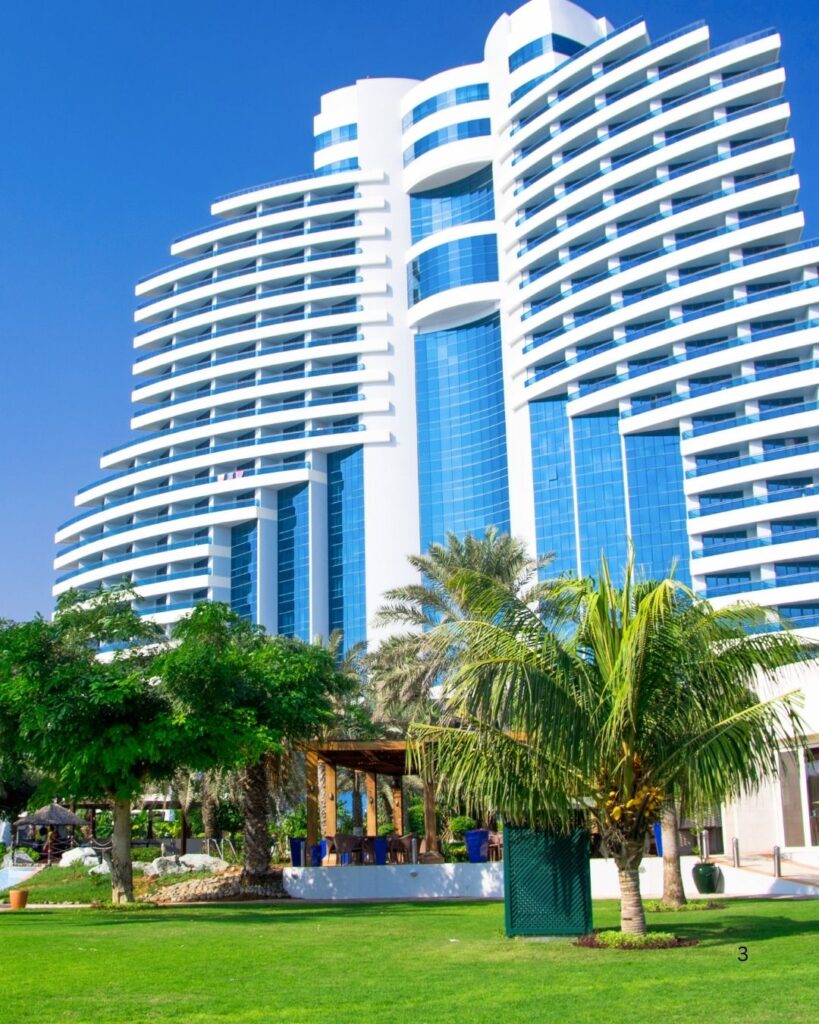
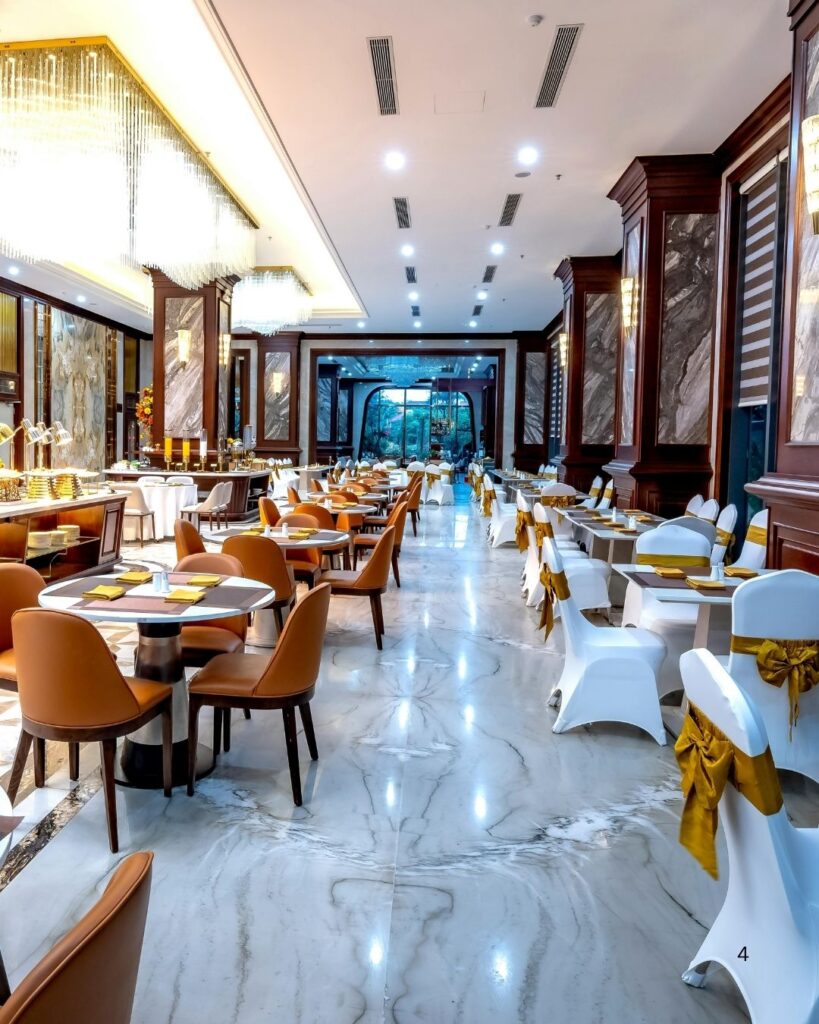
Geographically, the shift is also forcing a reconsideration of investment focus beyond just Dubai. Abu Dhabi and Ras Al Khaimah are gaining more attention as complementary tourism destinations with leisure growth potential.
Meanwhile, the role of brand partnerships and management agreements is intensifying. Many existing hotel owners without strong brand affiliations are seeking to partner with international or boutique brand operators to unlock repositioning potential, capture better distribution, and boost yield. Likewise, mixed-use developments combining hotel, retail, residences, and entertainment are becoming more common, offering diversified revenue streams and resilience in fluctuating demand cycles.
Of course, challenges remain. The added supply — particularly of luxury properties — could saturate certain submarkets if demand doesn’t keep pace. Operational costs, inflation, energy expenses, and competitive pressure may squeeze margins, especially in mature or lower-tier assets. Investors venturing into repositioning or renovation must carefully evaluate capex, uptime during renovations, and repositioning risk. Also, global economic volatility and travel demand sensitivity require that investment models be resilient to cycles.
Yet, the tipping point is evident: the UAE’s hospitality sector is no longer just about building more hotels; it is now about making better, smarter, higher-yielding hotel investments. The narrative has matured. Where once the story was about new keys, now it is about unlocking value in existing assets — through repositioning, branding, operational excellence, and strategic capital deployment.
SOURCE: RESEARCH WORK, REPORTS AND JOURNALS