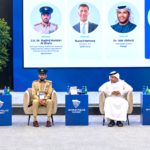



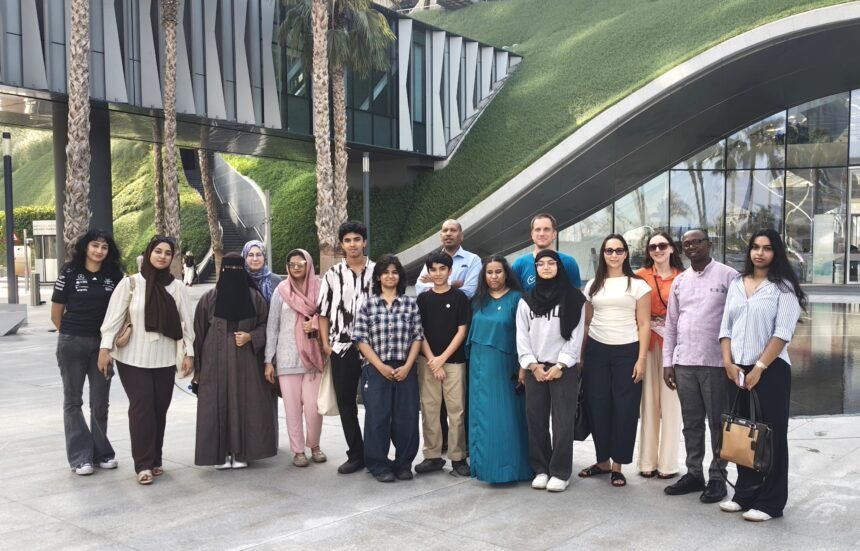
Dubai, UAE – The European Network for Academic Integrity (ENAI) has concluded its Summer School Dubai 2026 with the signing of the Dubai Accord on Academic Integrity in the Age of Artificial Intelligence, marking the culmination of a four-day programme that brought together students, educators and researchers from across Europe and the Middle East.
Hosted by Canadian University Dubai and the University of Europe for Applied Sciences, and supported by Dubai Business Events (DBE), part of the Dubai Department of Economy and Tourism (DET), as destination partner, the programme was held under the theme “From Dubai to the World: Shaping Integrity for the Age of AI,” the Summer School provided an international platform for participants to examine how academic integrity can continue to evolve as artificial intelligence reshapes learning, writing, assessment and research.
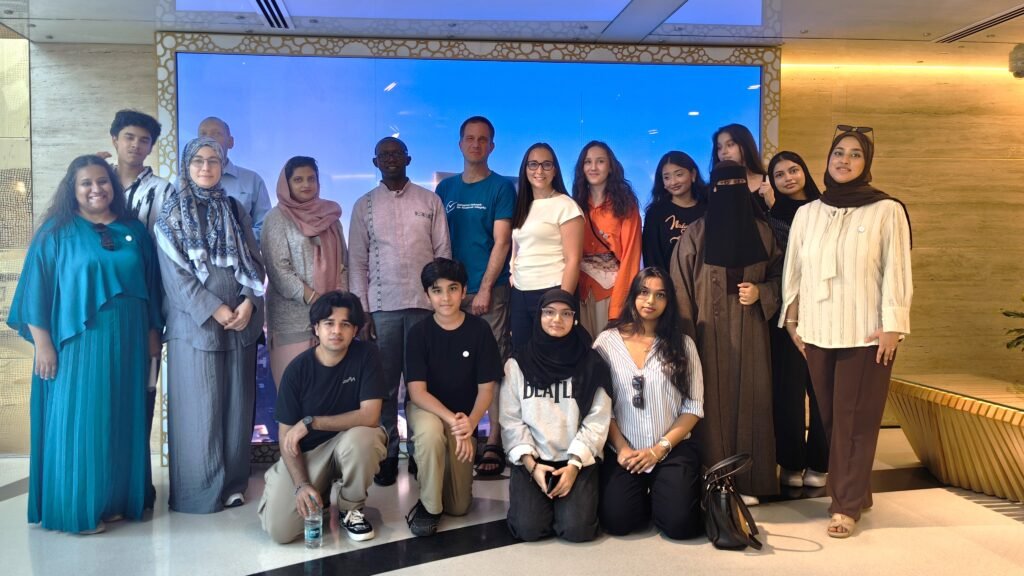
The programme also reflected Dubai’s ability to bring together international academic communities and institutions around issues shaping the future of education and knowledge development. By enabling dialogue between students, academics, researchers and industry stakeholders, the Summer School contributed to the wider exchange of knowledge and ideas taking place across Dubai’s business events ecosystem.
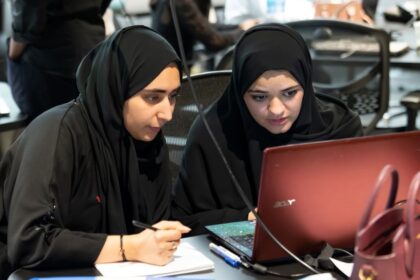
Across four days, lectures, panel discussions and workshops were complemented by collaborative writing sessions in which students shared perspectives and jointly developed sections of the Dubai Accord, whereas the Summer School was designed around the development of a document shaped directly by participating students. Discussions explored fundamental academic values, the rights and responsibilities of students and institutions, and emerging practical questions around the use of artificial intelligence within academic work.
Participants also examined issues including the distinction between paraphrasing and patchwriting, the appropriate use of AI-enabled tools, and how universities can develop approaches to academic integrity that remain relevant as technology and learning practices continue to evolve.
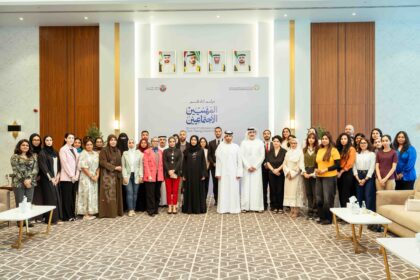
The programme culminated in a Legacy Launch Ceremony, during which the Dubai Accord was formally presented and signed by participating students, faculty members and partner institutions.
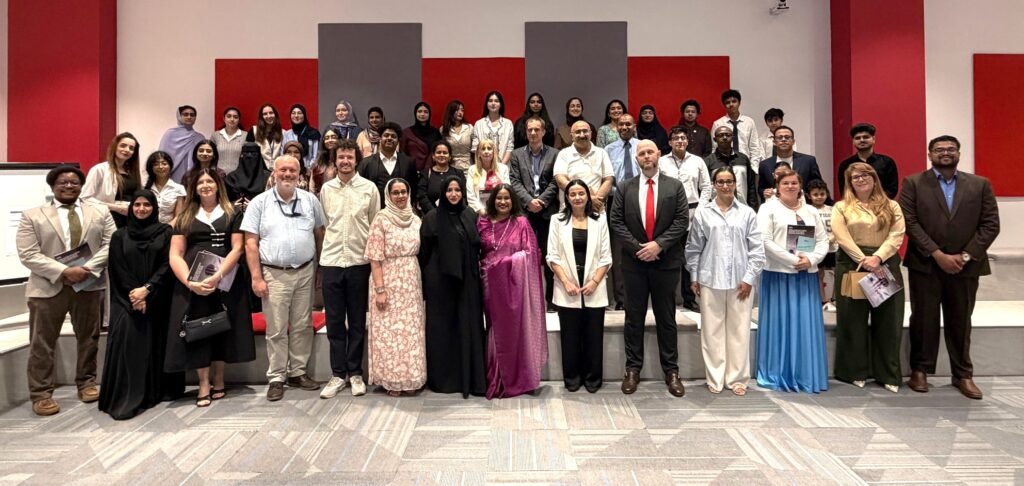
Ing. Veronika Krásničan, Executive Director of ENAI, said: “This week showed me how important it is to involve students directly in policy making and in the conversations about how we handle academic integrity. They have a perspective that we, as staff and researchers, simply don’t have on our own. If we want policies that actually work, students need to be part of building them, not just talked about them afterwards.”
The Dubai Accord represents the central legacy of the 2026 Summer School, translating the discussions held throughout the programme into a shared statement developed with direct student participation. It will now be shared with a wider international audience and contribute to ENAI’s ongoing work in academic and research integrity.
The programme also highlighted the role international business events can play as platforms for collaboration and the development of practical outcomes. As universities and education systems globally consider the implications of artificial intelligence for learning, assessment and research, Dubai provided a setting for participants from different markets and academic backgrounds to exchange perspectives and contribute to a shared framework.
The Summer School was organised by the ENAI Working Group – Centre for Academic Integrity in the UAE (ECAIU), whose student organisers and volunteers supported the programme from planning through to delivery.
The event was hosted by Canadian University Dubai and the University of Europe for Applied Sciences, with support from the University of Wollongong in Dubai, with Turnitin participating as Gold Sponsor, CurveUp and Magic.ai serving as industry partners and Marwan Publishing as media partner.
SOURCE: MEDIA RELEASE / SUPPLIED CONTENT WITH IMAGES