


Opinion | EmiratesReporter.com
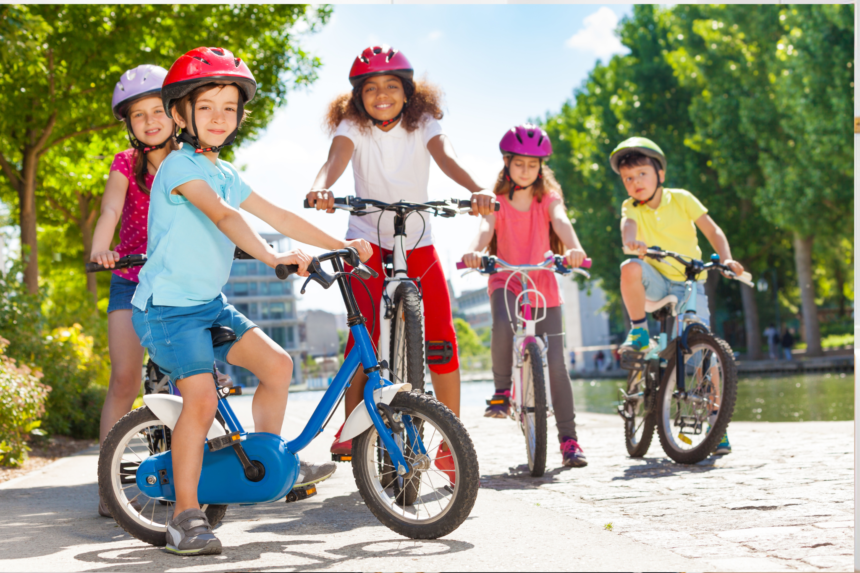
Dubai, UAE- A child learning to ride a bicycle is learning much more than how to balance on two wheels. It is a lesson in confidence, independence, responsibility, physical fitness and the joy of movement. These are life skills that can shape a child’s health and wellbeing long after the school years.
The launch of the Dubai Cyclist Programme by the Knowledge and Human Development Authority (KHDA) is therefore a welcome and meaningful step towards building a healthier generation. At a time when children’s daily routines are increasingly shaped by classrooms, screens and motorised transport, introducing cycling as a structured learning experience can help bring physical activity back into everyday life.
The programme, launched on 28 November 2026 in collaboration with several Dubai government entities, aims to promote safe and responsible cycling among students from an early age. It will integrate age-appropriate cycling education into physical education lessons at participating private schools across Dubai, combining classroom learning with practical training.
The first phase aims to reach around 6,400 students, while the programme has an ambitious long-term target of reaching more than 250,000 students by 2033.
The importance of this initiative becomes even clearer when viewed against global health recommendations.
The World Health Organization recommends that children and adolescents aged 5 to 17 years undertake an average of at least 60 minutes of moderate to vigorous physical activity every day across the week. Cycling is recognised as one of the activities that can contribute towards this goal.
Regular physical activity supports children’s physical fitness, strengthens bones and muscles, improves cardiovascular and metabolic health, and contributes to cognitive development and mental wellbeing. It can also help reduce the risks associated with excessive sedentary behaviour.
The need to encourage movement among young people is urgent. According to the WHO’s global estimates released in November 2026, around 240 million adolescents aged 11 to 17 years reported not completing at least 60 minutes of moderate to vigorous physical activity on any day during the previous week. On average, adolescents reported being active for only 2.7 days a week.
These figures underline why physical activity should not remain limited to occasional sports days or extracurricular activities. It needs to become a regular and enjoyable part of a child’s daily routine.
Cycling offers one practical way to achieve this. It is an activity that children can enjoy individually or with friends and family, while gradually developing stamina, coordination and confidence.
Why children should learn cycling from an early age
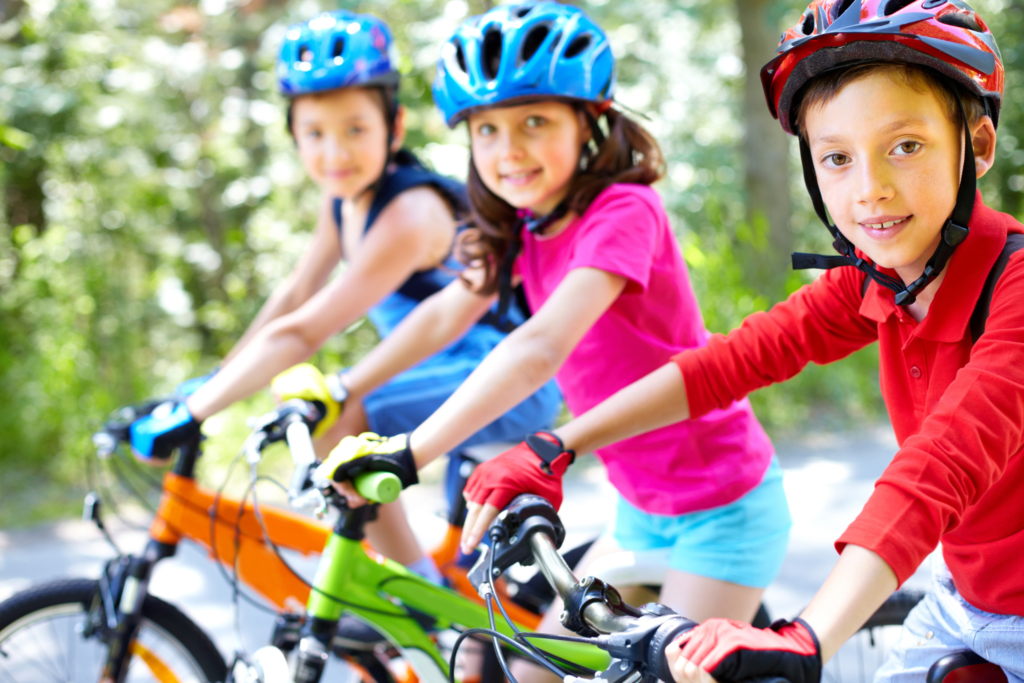
Learning cycling during childhood can create a foundation for lifelong healthy habits. When children become comfortable with cycling at a young age, physical activity can become something they enjoy rather than something they are asked to do.
Cycling also helps children develop balance, coordination, concentration and body control. Learning to start, stop, turn, maintain balance and respond to their surroundings requires attention and practice. These experiences can strengthen their ability to assess situations and make decisions.
There is also an important emotional and social dimension. A child who learns to cycle independently in a safe environment may experience a sense of achievement and greater self-confidence. Practising with classmates can encourage cooperation, patience and respect for others.
Most importantly, cycling can help children understand that health is not simply about avoiding illness. It is about developing a positive relationship with movement, outdoor activity and an active lifestyle.
The Dubai Cyclist Programme has been designed around two learning pathways.
The first will introduce cycling education through physical education lessons at participating private schools. Students will develop bicycle-handling and control skills while learning road safety rules and responsible behaviour on designated cycling tracks.
The second pathway will provide practical opportunities in safe, controlled environments that simulate real-world conditions. These sessions will help students recognise potential risks, respect other road users and develop the confidence to make responsible decisions.
The programme’s pilot phase was completed at Quranic Park in Al Khawaneej, where around 160 students and physical education teachers from six private schools participated. The students trained in a dedicated environment designed to simulate road conditions and allow them to practise safely.
The initiative is supported by Dubai’s Roads and Transport Authority (RTA), Dubai Police, Dubai Municipality and the Community Development Authority in Dubai.
It aligns with the Education 33 Strategy, Dubai Social Agenda 33 and the Dubai 2040 Urban Master Plan. It also forms part of the wider Skills for Life initiative, which aims to equip learners with practical, personal and social capabilities for life, education and work.
Teaching children to cycle is important, but teaching them to cycle safely is essential.
A young cyclist must understand the importance of wearing a properly fitted helmet, checking the bicycle before riding, following traffic signs, using designated cycling tracks and remaining alert to pedestrians and other road users.
Children should begin in age-appropriate, controlled settings under adult supervision. Their skills and confidence should develop gradually, and independent journeys should only be considered when they are ready, with appropriate parental guidance and safe routes.
Dubai’s investment in cycling infrastructure provides an important foundation for this effort. The RTA has stated that the emirate is developing a safe, interconnected cycling network spanning more than 630 kilometres, linking residential areas with key destinations and public transport stations.
The programme’s long-term ambition to encourage students to consider cycling for suitable school journeys is closely connected to this infrastructure. However, safe routes, secure bicycle parking, appropriate supervision and family confidence will be vital to making cycling a practical choice.
One of the most encouraging aspects of the Dubai Cyclist Programme is its commitment to inclusive participation. Training activities will be adapted for students of determination and learners with different abilities and needs.
This is an important recognition that every child deserves opportunities to develop physical skills, independence and confidence. With suitable equipment, individual support and adapted instruction, cycling can offer meaningful experiences to a wider group of students.
The programme can also help schools and families see physical activity as a shared responsibility. Schools can provide structured learning, parents can reinforce safe habits at home, and the wider community can support children through accessible parks, cycling tracks and safe public spaces.
The Dubai Cyclist Programme is more than a cycling initiative. It represents an opportunity to connect education with health, wellbeing, sustainability and everyday life.
If children learn to cycle safely and enjoyably from an early age, they may carry that habit into adolescence and adulthood. They can grow up understanding that movement is a natural part of life, that road safety is everyone’s responsibility and that independence comes with awareness and care.
The target of reaching more than 250,000 students by 2033 is significant. Its real success, however, will be measured not only by the number of children trained, but by the healthy habits, confidence and responsible choices they carry forward.
A healthier generation is built through small, consistent steps. Sometimes, one of those steps begins with a child learning to ride a bicycle.