


By Josh Gilbert, Lead Analyst, Middle East at eToro
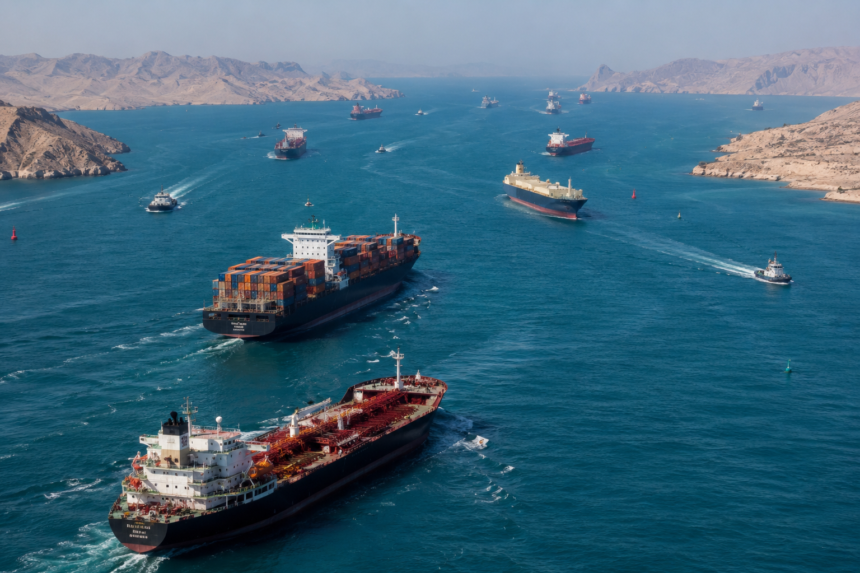
Abu Dhabi, UAE – Global markets responded positively after US President Donald Trump confirmed that the Strait of Hormuz will reopen and the US naval blockade will be lifted, bringing relief to investors following months of heightened geopolitical uncertainty.
Oil prices moved lower following the announcement, with Brent crude falling more than 3% toward USD 84 per barrel and West Texas Intermediate (WTI) trading near USD 81. Equity futures also advanced as investors welcomed the prospect of reduced disruptions to global energy supplies.
The conflict has been a dominant driver of market movements since February, with concerns over shipping routes and energy security contributing to volatility across asset classes. The reopening of the Strait of Hormuz removes one of the most significant geopolitical risks facing energy markets and is expected to reduce the risk premium embedded in oil prices.
Oil had already been trending lower in recent weeks as expectations of a diplomatic breakthrough increased. Today’s announcement has accelerated that decline, improving the outlook for inflation by lowering energy costs for households and businesses worldwide. The development is also expected to provide support for equities and broader risk assets.
Markets have been waiting for this news for months, and the relief is already showing across asset classes. The confirmation that the Strait of Hormuz will reopen and the US naval blockade will be lifted removes one of the biggest geopolitical risks hanging over global markets, which is why we’re seeing oil prices fall and risk assets move higher.
The reopening of this critical shipping route takes a significant risk premium out of oil prices at a time when investors have been closely watching energy markets for signs of disruption. Lower energy costs can help ease inflationary pressures globally, which is supportive for both consumers and businesses and provides a positive backdrop for equities.
That said, investors should be careful not to get carried away by today’s market reaction. The agreement is not due to be formally signed until June 19, and recent months have shown how quickly geopolitical developments can change. While the outlook has improved considerably, there is still a difference between optimism and certainty.
For global investors, a sustained decline in oil prices would be a welcome development, particularly with a busy week of central bank decisions ahead. A resolution to the conflict would remove a major tail risk that has weighed on global growth expectations throughout the year. However, markets are likely to remain sensitive to further developments until the agreement is formally signed and implemented.”
Despite the positive market reaction, investors are likely to remain cautious until a formal agreement is signed on June 19. While the announcement represents a significant step toward de-escalation, details of the deal remain limited and recent months have demonstrated how quickly developments in the region can change.
The broader outlook for global markets remains constructive. A sustained decline in oil prices could ease pressure on central banks ahead of a key week of monetary policy decisions and help improve global growth expectations. A lasting resolution in the Middle East would remove a major source of uncertainty that has weighed on economic forecasts throughout the year.
However, market participants are expected to remain focused on the finalisation of the agreement before fully pricing in a long-term improvement in geopolitical conditions. While optimism has returned to markets, investors are likely to seek confirmation through the successful signing and implementation of the deal before confidence fully stabilises.
AS TOLD TO EMIRATESREPORTER.COM. THE VIEWS EXPRESSED ARE SOLELY THOSE OF THE GUEST WRITER