


By Advocate Anjana Bhatia D.I, Consulting Editor, EmiratesReporter.com
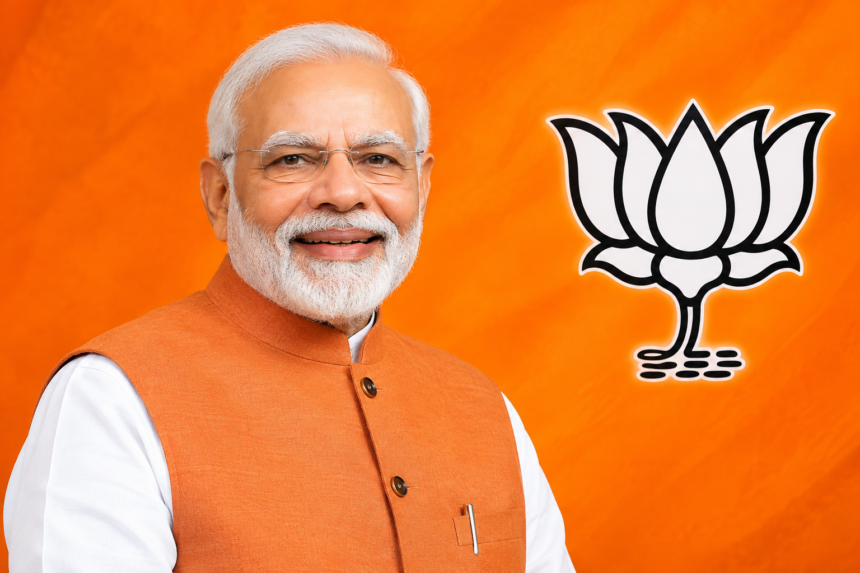
Dubai, UAE– On 17 September, as Narendra Modi (fondly known as NAMO) marks his 76th birthday, India’s Prime Minister stands as one of the most recognizable political figures of the 21st century. His journey from the modest surroundings of Vadnagar in Gujarat to the highest office in India is a story of organization, political endurance, ambition and an ability to transform a regional political career into a global leadership profile.
Born in 1950, Modi’s early life was shaped by modest circumstances. His official biography records his association with the Rashtriya Swayamsevak Sangh (RSS), where he worked as a pracharak, and his subsequent rise through the organisational structure of the Bharatiya Janata Party (BJP). These formative years established the political discipline and grassroots network that later became central to his career. During the Emergency imposed by Indira Gandhi’s government from 1975 to 1977, Modi was involved in underground activities associated with the movement opposing the suspension of democratic freedoms. Those years exposed him to political repression, secrecy and the organisational challenges of working under extraordinary restrictions.
His rise was neither immediate nor free of controversy. As a BJP organizer in Gujarat and later at the national level, Modi developed a reputation for electoral planning, party building and campaign management. In 2001, he became Chief Minister of Gujarat. His tenure placed development, investment, infrastructure and administrative efficiency at the centre of his political identity. The “Gujarat model” subsequently became a major part of his national campaign, although its outcomes and limitations have remained subjects of public debate among economists, political commentators and opponents.
The 2002 Gujarat violence following the Godhra train incident became one of the defining and most contested chapters of Modi’s career. The violence caused extensive loss of life and left deep social wounds. Questions concerning the conduct of the state administration and allegations of a larger conspiracy remained in public and legal debate for years. “In 2022, the Supreme Court dismissed a challenge to the Special Investigation Team’s closure report, which had found no prosecutable material establishing a larger criminal conspiracy involving Modi and others.” That judgment is an important part of the legal record, while the human consequences and political debates surrounding the violence continue to shape public discussion.
Modi’s national breakthrough came in 2014, when the BJP secured a majority in the Lok Sabha and he became Prime Minister. He returned to office in 2019 and took oath for a third term in 2024, leading the National Democratic Alliance. Across these years, his leadership has been marked by centralized political messaging, an emphasis on decisive executive action and a strong personal connection with voters through public events and digital communication.
His government’s policy agenda has covered a wide range of areas. Digital India and the expansion of the Unified Payments Interface, or UPI, have helped make instant digital payments a familiar part of daily economic life in India. UPI’s growth has also become an important element of India’s international technology and financial-inclusion narrative.
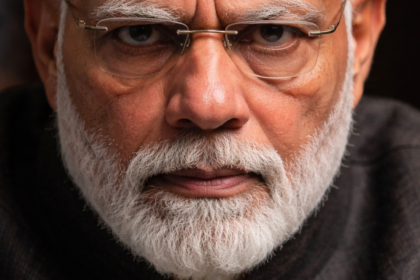
THE “NARAZ FUFAJI” MOMENT: IS MODI WINNING THE NARRATIVE RACE?
“One of the more memorable recent moments in India’s political conversation has been the reported use of the phrase “Naraz Fufaji” or “the perpetually upset uncle” as a pointed response to the opposition’s recurring criticism of the government and its policies. In the language of political satire, the phrase seeks to turn a familiar accusation into a question: is every achievement being dismissed before its impact can even be discussed? For years, the opposition has used the expression “Godi Media” to allege that sections of the Indian media are overly sympathetic to the government. Supporters of Prime Minister Narendra Modi have increasingly challenged that narrative, arguing that the phrase is sometimes used to discredit coverage rather than engage with the substance of development, welfare delivery and national policy. The “Naraz Fufaji” expression has gained attention in political commentary because of its humour and familiarity. Supporters interpret it as a confident pushback against what they regard as relentless negativity. Critics, however, may see such rhetoric as an attempt to reduce legitimate scrutiny to a joke. The larger political question remains important: India’s development record deserves detailed discussion, whether concerning digital payments, sanitation, infrastructure, welfare delivery or space achievements. Opposition parties have a democratic role in examining these outcomes, identifying gaps and proposing alternatives. Political debate is strongest when criticism moves beyond slogans and engages directly with evidence, implementation and results. Seems Like Narendra Modi Has the Upper Hand Now.”
Social welfare has been another major component of his political platform. The Swachh Bharat Mission placed sanitation and toilet construction at the centre of a nationwide public campaign. Government data records the construction of more than 100 million rural toilets during the mission’s initial phase. For women and girls, access to household and community sanitation has been linked to privacy, dignity, safety and improved hygiene, although sustaining usage, maintenance and broader public-health outcomes remains an ongoing task.
Programmes such as Ujjwala, which expanded access to LPG connections for eligible households, and initiatives focused on women’s financial inclusion, housing, bank accounts and entrepreneurship have also shaped the government’s welfare narrative. Their long-term success, as with all public schemes, depends not only on announcements but on delivery, affordability and sustained access.
On the strategic front, Modi’s tenure has coincided with a more assertive Indian posture on national security, border preparedness and counter-terrorism. His government has consistently projected a willingness to respond firmly to security challenges. At the same time, questions of regional stability, military preparedness, diplomacy and the management of tensions with neighbouring countries remain central to India’s foreign-policy responsibilities.
India’s space achievements have also strengthened the country’s international profile. The Chandrayaan-3 lunar landing in 2023, achieved by the Indian Space Research Organisation, became a landmark moment for the nation. While the mission was carried out by scientists and engineers, political support, public investment and policy continuity form part of the wider environment in which such programmes advance.
Modi’s foreign policy has sought to position India as a consequential voice in a changing world. India’s G20 presidency, engagement with major multilateral groupings and expanding diplomatic outreach have contributed to the country’s visibility. His leadership style has also made him a prominent figure in international political communication, where India’s economic scale, strategic importance and diaspora connections increasingly command attention.
Yet leadership at this level is measured not only by visibility or electoral success. It is also judged by institutional accountability, social cohesion, economic opportunity, employment, public services and the ability to accommodate disagreement. Modi’s political strength has been accompanied by intense opposition, criticism and debate, making parliamentary democracy, independent institutions and public scrutiny essential to assessing his legacy.
At 76, Narendra Modi’s journey remains a significant chapter in contemporary India’s political history. From a grassroots organiser to a three-term Prime Minister, his career reflects the reach of disciplined political organisation and the power of a clearly communicated national vision. His lasting place in history will ultimately depend on how India evaluates the results, costs and consequences of that vision over time.
——————–
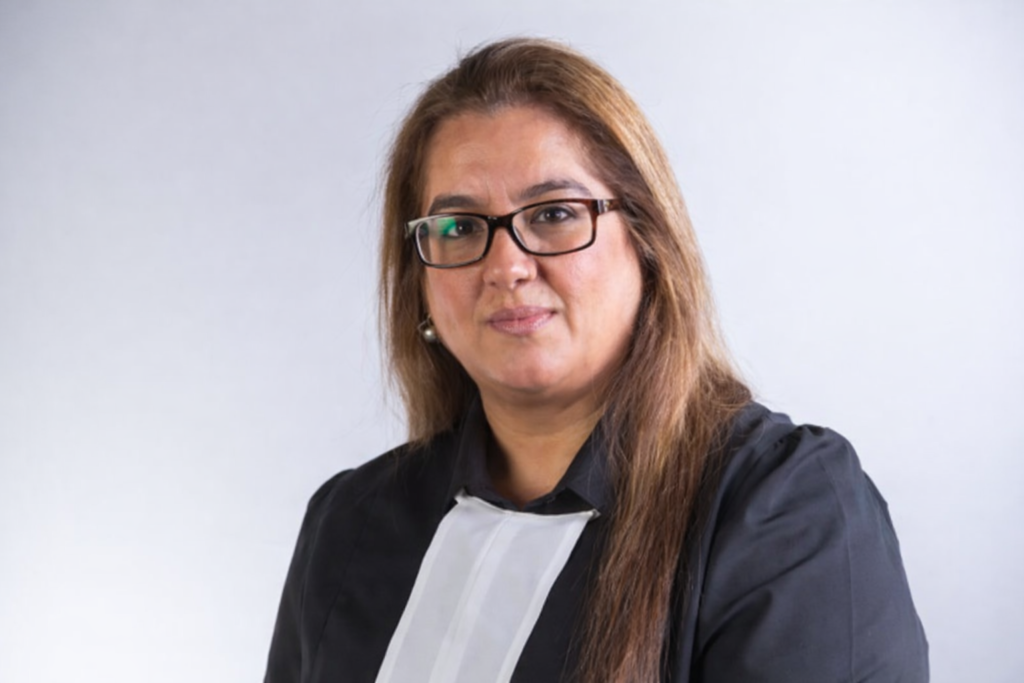
Advocate Anjana Bhatia D.I is an accomplished Indian Lawyer practicing in India and the UAE. With over 25 years of experience in Law – Litigation, Corporate, Civil, Criminal, Mediation as well as registered with DIFC Wills and Probate Registry, She provides legal solutions to clients globally with strategic results.
READERS, DO NOT MISS-